Religion has been one of the most powerful forces shaping human civilization for thousands of years. From ancient belief systems rooted in nature and philosophy to globally practiced monotheistic faiths, religions continue to influence how people live, think, govern, and interact with one another.
In 2026, religion still plays a central role in global culture, politics, education, ethics, and social identity. While the world is home to more than 20 recognized religions and thousands of indigenous belief systems, only a small number account for the vast majority of the global population.
Most of the world’s major religions fall into two broad categories:
Abrahamic religions, such as Christianity, Islam, and Judaism
Indian-origin religions, including Hinduism, Buddhism, Sikhism, and Jainism
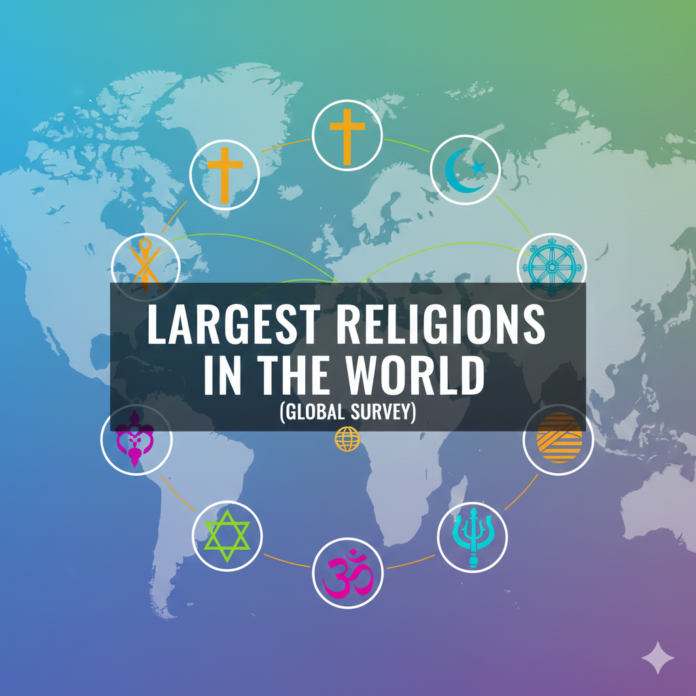
Based on updated demographic studies from global research organizations and long-term population trends, this article presents the Top 10 Largest Religions in the World by Number of Followers in 2026, along with their origins, beliefs, and global influence.
List of the 10 Largest Religions in the World (2026)
Christianity
Islam
Hinduism
Buddhism
Shintoism
Taoism
Sikhism
Judaism
Muism
Cao Dai
1. Christianity
Estimated Followers (2026): ~2.4 billion Founded: 1st century CE Place of Origin: Israel
Christianity remains the largest religion in the world, representing nearly one-third of the global population. It is based on the life and teachings of Jesus Christ, whom Christians believe to be the Son of God and the savior of humanity.
The Bible, Christianity’s sacred scripture, is divided into the Old Testament and the New Testament. The religion is broadly categorized into three major branches:
Roman Catholicism
Protestantism
Eastern Orthodoxy
Christianity spread rapidly throughout Europe during the Roman era and later expanded globally through exploration, colonization, and missionary work. Today, Christianity has a strong presence in Europe, the Americas, Sub-Saharan Africa, and parts of Asia-Pacific.
Beyond religious practice, Christianity has profoundly influenced global education systems, legal frameworks, art, architecture, music, and moral philosophy. Many modern institutions, including universities and hospitals, were founded on Christian principles.
2. Islam
Estimated Followers (2026): ~2.0 billion Founded: 7th century CE Place of Origin: Mecca, Saudi Arabia
Islam is the second-largest and fastest-growing religion in the world. Followers of Islam, known as Muslims, believe in Allah as the one true God and follow the teachings of the Qur’an, which Muslims regard as the literal word of God.
Islam was founded by the Prophet Muhammad (peace be upon him) in the 7th century. The faith is structured around the Five Pillars of Islam, which include faith, prayer, charity, fasting during Ramadan, and pilgrimage to Mecca (Hajj).
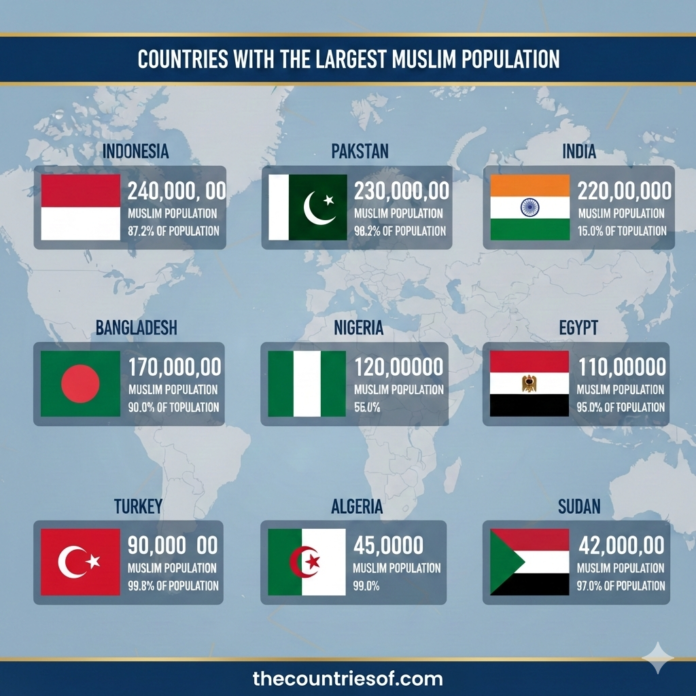
Islam is divided mainly into Sunni and Shia sects, with Sunnis forming the majority worldwide. Muslim populations are concentrated in Indonesia, Pakistan, India, Bangladesh, Nigeria, and the Middle East.
Islam plays a comprehensive role in daily life, covering spiritual, moral, social, and legal dimensions through Islamic teachings and traditions.
3. Hinduism
Estimated Followers (2026): ~1.2 billion Founded: Over 4,000 years ago Place of Origin: Indian subcontinent
Hinduism is widely regarded as the oldest living religion in the world. Unlike other major religions, Hinduism has no single founder and encompasses a wide range of beliefs, philosophies, and rituals.
Sacred texts include the Vedas, Upanishads, Bhagavad Gita, and Puranas. Core Hindu concepts include karma (action and consequence), reincarnation, dharma (duty), and moksha (liberation).
Hinduism is deeply embedded in Indian culture, traditions, festivals, and social structures. While the majority of Hindus live in India and Nepal, Hindu communities exist across Southeast Asia, Europe, and North America.
In recent decades, practices such as yoga, meditation, and Ayurveda have gained global popularity, increasing international awareness of Hindu philosophy.
4. Buddhism
Estimated Followers (2026): ~520 million Founded: 5th century BCE Place of Origin: India
Buddhism was founded by Siddhartha Gautama, known as the Buddha. The religion focuses on overcoming suffering through understanding, ethical conduct, and mental discipline.
The teachings of Buddhism are centered on the Four Noble Truths and the Eightfold Path, which guide followers toward enlightenment (nirvana).
Buddhism has three main branches:
Theravada
Mahayana
Vajrayana
It is widely practiced in China, Japan, Thailand, Sri Lanka, Vietnam, and Tibet. Buddhism emphasizes non-violence, compassion, mindfulness, and meditation.
5. Shintoism
Estimated Followers: ~100 million Place of Origin: Japan
Shintoism is the indigenous religion of Japan and is deeply connected to Japanese cultural identity. It revolves around the worship of kami, spiritual beings associated with nature, ancestors, and sacred places.
Shinto has no central scripture or founder and is often practiced alongside Buddhism in Japan. Rituals, festivals, and shrine visits form the core of Shinto practice.
6. Taoism
Estimated Followers: ~12–20 million Place of Origin: China
Taoism is both a philosophical and religious tradition emphasizing harmony with the Tao, meaning “the Way.” Taoism encourages balance, simplicity, and living in accordance with nature.
The teachings are attributed to Laozi, and the central text is the Tao Te Ching. Taoist ideas have influenced Chinese medicine, martial arts, and spiritual practices.
7. Sikhism
Estimated Followers: ~30 million Founded: 15th century CE Place of Origin: Punjab, India
Sikhism was founded by Guru Nanak and teaches belief in one God, equality of all humans, selfless service, and honest living. The Guru Granth Sahib serves as the eternal spiritual guide.
Sikh communities are prominent in India, the UK, Canada, and other parts of the world.
8. Judaism
Estimated Followers: ~15 million Founded: Over 3,000 years ago Place of Origin: Middle East
Judaism is one of the oldest monotheistic religions and the foundation of Abrahamic faiths. Jewish beliefs are rooted in the Torah and emphasize ethical living, community, and covenant with God.
9. Muism
Estimated Followers: ~10 million Place of Origin: Korea
Muism, also known as Korean shamanism, is an ancient belief system centered on spirit worship, healing rituals, and harmony between humans and nature.
10. Cao Dai
Estimated Followers: ~6 million Founded: 1926 Place of Origin: Vietnam
Cao Dai is a syncretic religion combining elements of Buddhism, Christianity, Taoism, and Confucianism into a single faith system.
Frequently Asked Questions (FAQ)
What is the largest religion in the world in 2026?
Christianity remains the largest religion globally, followed closely by Islam.
Which religion is growing the fastest?
Islam is currently the fastest-growing major religion worldwide.
What is the oldest religion in the world?
Hinduism is considered the oldest continuously practiced religion.
How many religions exist globally?
There are more than 20 major religions and thousands of smaller belief systems worldwide.
Are religions still relevant today?
Yes. Religion continues to influence global culture, politics, ethics, and personal identity.
The Earth is crowded with people who are following the various religions, and their traditions. As per my own judgment, there is no person who is ignorant of the Christmas holidays around the world. However, there are might be only a few people who are unfamiliar with the Christmas traditions around the world even they don’t know what Christmas is. So for such people, we are going to put a light on the history of Christmas, and different Christmas traditions around the world. Furthermore, we will also mention What Countries Celebrate Christmas Around the Worlds.
What is Christmas?
Christmas consists of the two different words, Christ, and Mass, which mean Christ’s Mass or the birthday of Jesus Christ that is celebrated on the 25th December annually. So it is the most famous Festival celebrated by the Christianity followers living all on the planet. It is also known as the Noel, Xmas, and Nativity. Christianity is the world’s largest religion and billions of its followers around the globe celebrate this day with a great passion and make it more pleasant by meeting and giving the gifts to each other.
The History of Christmas at a Glance
The Xmas is known as one of the historical religious festivals around the world that traces its roots since 345 AD. It is celebrated as the birthday of Jesus on 25 December Every Year. From different facts and figures, it is witnessed that in the Eastern Christianity, the Jesus birth had already celebrated on 6th and, later on, it was turned on 25th December in the Rome. On this great festival, homes are decorated with lights and greenery, gifts are presented to friends and family. Similarly singing songs and cooking some special foods are also the most common practices that belong to the Christmas traditions around the world. Below is the list and details of what countries celebrate the Christmas ?
Celebration of Christmas inAfrica Continent ?
[vision_content_box style=”green-2″ title=”What Countries Celebrate Christmas Around the World”] Xmas Festival is celebrated by all the Christianity followers around the globe in distinct ways, and there is a little bit difference between the Xmas Traditions of different nations in the world. Here is a list of top countries that celebrate Christmas the best. [/vision_content_box]
How People Celebrate Christmas in South Africa?
In South Africa, Xmas day is the public holiday that is celebrated on the 25th December annually. Although, Souht Africa is far away from Europe continent, still a great part of Christmas traditions is same like the European Christmas Traditions.
How People commemorate Xmas in Nigeria?
This great festival is also celebrated with great passion in Nigeria because it is one of the most religious countries around the globe. Here the majority of people is following the Christianity, so it is the most important festival for Nigerian people.
What Countries Celebrate Christmasin Asian Countries ?
How do People commemorate Xmas in India?
India is also recognized as the British colony. Therefore, India still holds some British traditions. Here is a state holiday on the Christmas day. India is the second most populated country in the world. Hinduism is a major religion in the countryside but still a large number of Christians reside in India. Christmas traditions are still found in India and people celebrate the Xmas by decorating their homes and distributing the sweets and cakes to friends and neighbors.
How People Celebrate Christmas in Pakistan?
Pakistan is the second largest country with Muslim population Similarly; it is also the second largest country for the Christians minority. In a survey conducted in 2018, the number of Christians was 48,00,000. It is one of the countries where the Christmas is celebrated the best. People go home to home by singing the carols and spend their friends and family.
How People commemorate Xmas in China?
China is the most populated in the world. Although, here 25th December is not given the legal status of holiday yet it is designated as a public holiday there.
Celebration of Christmas in Hong Kong?
Everyone knows that Christmas around the world has much importance. Therefore, Hong Kong also celebrates the Christmas festival with a great passion. Hence, 25th December is an official holiday in Hong Kong. Here every Christian decorates his home with Xmas lights and Xmas tree also decorating has a popular trend in Hong Kong. It has world’s fastest internet connections that can help people wishing their friends and family living far away from them.
How Do People Celebrate Christmas in Japan?
Japan is widely cheered due to its commerce sector. It also has some Christmas traditions within its territories. Japan has not any national holiday on this event still gifts, and traditional foods are exchanged between each people who are celebrating the Christmas around the world.
Christmas festivals in Malaysia?
Although 25th December is the national holiday for in Malaysia yet there are some restrictions on the Malaysian Christians regarding Christmas celebrations.
How People Celebrate Christmas in Philippines?
In Philippines Christmas is celebrated the best because it is one of the Asian countries where Christmas is celebrated with more passion as compared to many other countries on the planet. The Philippines has got a great prominence for celebrating the long lasting Christmas around the world.
Celebrate Christmas in Singapore?
Singapore has a public holiday on the Xmas festival. People go to the shopping malls and buy gifts and colored lights for decorating Christmas trees along with their homes. And the much beautiful scene is seen in the Singapore.
Xmas Events in Lebanon
The Lebanese Christians celebrate Christmas on 25th December except the Armenian-Lebanese who celebrate it on the 6th January. So 6th January and 25th December both are official holidays in Lebanon.
What Countries Celebrate Christmas in North American Countries?
How People Celebrate Christmas in United States?
The United States is one of the richest countries in the world so, it has a strong economy in the world. Here Christmas traditions are found widely, so it is celebrated on the large-scale in the United States. Here the Christmas session begins from the end of November and people used to purchase goods on Black Friday. Below is the list and details of what countries celebrate the Christmas ?
How People Celebrate Christmas in Canada?
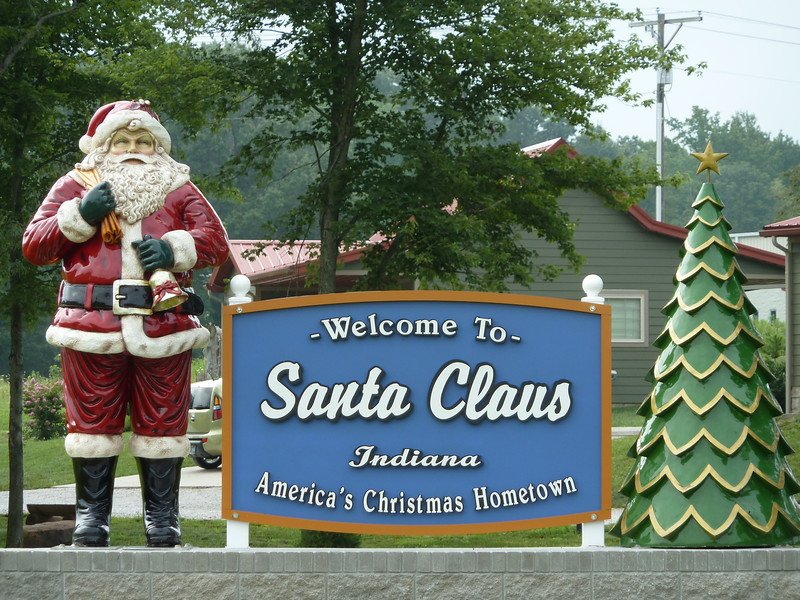
Canada has the same Christmas traditions like the United States. Canadian children believe that Santa Claus lives at the North Pole, which is settled in Canada. Here Christmas trees are well decorated, and the people enjoy many festivals on this great festival.
How People Celebrate Christmas in El Salvador ?
Here the children celebrate the Christmas by playing with the firecrackers and fountains that looks same like the tiny volcanoes.
How People Celebrate Christmas in Brazil?
Brazil has a national holiday on the Christmas day, and it is celebrated joyfully by every Christianity follower in Brazil. Here Christmas Eve is one of the most important days for the Brazilian people. Small cities, largest cities and all the places are submerged into the colored lights that create the beautiful sights.
How People Celebrate Christmas in Colombia?
Colombia has a great sense of the Christmas festival into its people. There are several traditions of Christmas around the world which are celebrated with great passion. People start decorating their homes and buildings from the beginning of November for this great festival. In Colombia on 7th December, a “day of the candles” is celebrated at night.
How People Celebrate Christmas in Guatemala?
Guatemala has healthy Christmas traditions on this day, people dress up in the ornamental hat that is known as Puritina, and then they dance into a line. Here also looks a Spanish and Maya color into the culture of Guatemala.
How People Celebrate Christmas in Mexico?
Mexican Christians are given a statutory holiday on this great event, and people enjoy a lot on this Eve.There are more than 30 Christmas traditions in Mexico, which are not found in any other country.
How People Celebrate Christmas in Venezuela?
Venezuela has given this day a great significance same like the other religious oceans. The unofficial start of the Xmas festivals is after the end of second half of November.
Christmas Around the World Other Continents and Countries at a glance
What Countries Celebrate Christmas in Christmas in Europe?
Christmas is not only celebrated by Asian or African countries, but the Christmas is celebrated worldwide. European countries are also taking a great part in the Christmas celebrations around the world.Europe consists of 50 countries and states from which the list of 33 countries is given below that celebrate the best Christmas as compared to the other European countries.
Sr. No.
Country
1.
The Czech Republic and Slovakia
2.
Austria
3.
Germany
4.
Hungary
5.
Poland
6.
Romania and Moldova
7.
Armenia
8.
Belarus
9.
Georgia
10.
Russia
11.
Ukraine
12.
Denmark
13.
Estonia
14.
Finland
15.
Iceland
16.
Norway
17.
Sweden
18.
Albania
19.
Bosnia and Herzegovina
20.
Bulgaria
21.
Greece and Cyprus
22.
Italy
23.
Macedonia
24.
Malta
25.
Portugal
26.
Serbia
27.
Spain
28.
France
29.
Ireland
30.
Netherlands and Flanders
31.
United Kingdom
32. 33.
Scotland Croatia and Slovenia
Christmas in Oceania Content?
Oceania also has some countries where the Christmas is celebrated passionately. Following is a list of oceanic countries where this festival is celebrated the best.
Sr. No.
Countries
1.
Australia
2.
Fiji
3.
New Zealand
[vision_content_box style=”cool-blue” title=”Never Miss These Interesting Stories :”]
For some unknown reason, what is forbidden tends to attract us. If they tell us that we cannot do something, with more effort we want to get it done. However, there are places on the planet that are restricted enough so that we cannot visit them, and it does not matter how hard or how hard we are. We discover ten of them:
Around the world, you will find unusual or wonderful places that you can obviously discover on the internet or just going there. But some places on our planet are difficult to access or not allowed to visit for the public. We will try to cover almost all 25 forbiddenplaces not allowed to visit.
They are so secret that most people do not even suspect anything of their existence: In the world there are some places that you will never see as a mortal. A selection of the top secret places of the planet.
Indeed, the places forbidden to the public or to the extremely regulated access are not lacking. Secret service headquarters, research laboratories, military zones, corporate headquarters in sensitive areas, high-level radioactive areas, etc. Many places are totally closed to the public and often come to feed the most wacky conspiracy theories. Here is a small list of 25 Forbidden Places in the World and mysterious places.
Chapel of the Ark of the Covenant at Aksum
Located in the city of Aksum, Ethiopia, the Chapel of the Ark of the Covenant is adjacent to the Church of St. Mary of Sion. This one claims to preserve the famous Ark of the Covenant which contains the tables of the law, given by God to Moses in the Old Testament. According to the tradition of the country, all Ethiopian kings are descendants of King Solomon and the Queen of Sheba. as well mysterious places that are not allowed to visit on this planet.
The Svalbard Global Seed Vault is the future of the world – in the form of millions of plant seeds. It also includes in 25 forbiddenplaces that are not allowed to visit.
The vault is located 120 meters inside a sandstone mountain on the island of Spitsbergen, in the remote arctic archipelago of Svalbard , 1,300 kilometers from the North Pole.
It is a facility with the most guarded and best guarded seed bank on earth.
Since February 2008, this crypt has protected the planet’s crops from a global catastrophe, keeping inside 250 million seeds from all over the world, wrapped in packages covered by four layers to protect them from moisture or equipment failure. of maintenance.
The reason for choosing this strange island is that it is not in a zone of tectonic activity, it preserves the ice of the land (the ground is frozen but not covered by snow or ice) and it is located 130 meters above sea level, which guarantees that the site will remain dry.
Unfortunately, you can only visit it if you are a researcher or farmer.
Heard and MacDonald Islands
It is a group of uninhabited islands, named after the expedition members who discovered them and landed on them in 1885.
They currently belong to Australia. The Heard is the largest and is home to the Mawson volcano which is 2,745 meters high and the second island is small and rocky.
Both are in the Indian Ocean, closer to Antarctica, so the climate is extremely cold and they are covered with snow most of the time.
In 1990, Unesco granted it the Title of World Heritage Site before the massive hunting of sea lions and birds that took place.
All expeditions made in the 20th century were for research purposes. To do this, a scientific base was built that is currently uninhabited.
The meteorological conditions and its location make tourism impossible. In addition, the subjects of scientific study on this island have been exhausted.
The islands are among the most remote places on Earth. They are located approximately 4,099 km southwest of Perth; 3,845 km southwest of Cape Leeuwin, Australia, 4,200 km southeast of South Africa, 3,830 km southeast of Madagascar, 1,630 km north of Antarctica, and 450 km southeast of the Kerguelen Islands; The islands are currently uninhabited. Source: WikiPedia
Bohemian Grove
In June and July some of the richest and most powerful men in America travel to the Sonoma County forest in California.
They are members of the Bohemian club . It is a private, all-male club, comprised of presidents of the United States, military officers, artists, and business leaders.
The grounds of the Bohemian Grove are littered with campsites with curious names, such as Mandalay, Lost Angels, Isle of Aves or Silverado Squatters. Guests are welcome, but women and minors must leave at nightfall.
There are numerous legends about the activities that take place but the official version says that it is nothing more than a meeting in which they enjoy nature and a series of cultural activities.
This island, located in the Bay of Bengal of the Indian Ocean and officially administered by the Indian government, is inhabited by a tribe of which little data is available. It is estimated that there are between 50 and 150 inhabitants left, the visit is illegal since any foreign virus could contaminate its inhabitants.
The Sentineles , as they are known, are one of the most primitive and endangered peoples on earth. What is known is that they migrated from Africa about 60,000 years ago and inhabit a small jungle area in the North Sentinel. They are one of the few hunter-gatherer tribes in the world and often use arrows and bows to defend themselves against foreigners.
After the 2014 tsunami, the Indian authorities approached the island to check the condition of its inhabitants and were greeted with arrows. From there, they established a strong control so that no one will come near this island.
Moreover, a helicopter came to check the state of the population after the 2004 tsunami quickly turned around since it was attacked by the Sentinels. The carcass was even pierced by the projectiles. Two fishermen whose boat drifted to their island were executed by the tribe in 2006.
Just recently, the Sentinelese tribe returned to the headlines: A young US tourist, who probably wanted to proselytize the tribe living in the Indian Ocean far away from civilization, was shot with arrows and died. His body will probably never be recovered, because the Indian authorities have forbidden it as entering to this island is not less than risking your life.
Located in Italy, between Venice and the Lido, it is popularly known as the “island of no return” or the “island of death” because of its past.
The legend has its origin in the Middle Ages, when it became a place of crematorium, cemetery and quarantine for plague patients.
To make up for the island’s bad reputation, the Italian government decided to install a psychiatric institution. Things did not improve, because one of the doctors experimented with the patients, so they decided to close the center and leave the island.
In 1960 it was bought by someone to establish a vineyard but it became uninhabited again.
In 2014 the Italian government decided to try to auction the island without success.
The Hawaii island of Ni’ihau has been completely closed to visitors since 1915.
It is the smallest uninhabited island in Hawaii. It may seem like an ideal place for a getaway with its palm trees, endangered fauna and the almost total absence of tourists.
But its 180 square km are forbidden to tourists. The island was sold by Kamehameha , King of Hawaii, in 1863, to the Robinson family, wealthy landowners. Since 1915 it has been closed to the public.
Life on the island is unusual: it has about 130 inhabitants, all of them are indigenous Hawaiians, they pay no rent, there are no paved roads, telephones or shops.
Although it is small, it has become famous for several incidents: in 1941 a Japanese pilot crashed after the attack on Pearl Harbor and in 1944 President Roosevelt considered it as a possible United Nations office .
Nowadays it is out of reach of the public unless someone invites you.
Thousands of book rarities and historical documents are stored in the Vatican Library.
The vaults of the Vatican Library contain invaluable documents that date back to the dawn of Christianity. The treasures include: the correspondence of the artist Michelangelo with the then popes, the papal appeal to the Fourth Crusade or the decree that ordered the excommunication of the reformer Martin Luther. In total, it should be about 35,000 volumes of books that fill a total of unbelievable 85 linear kilometers. Only those who submit a written request with personal information in advance and a letter of recommendation from a historical authority may have a chance to enter the Vatican Library. However, no one is allowed to enter without permission from the concerned authorities.
Surrounded by a paranormal mystique, it is forbidden to fly over the famous detachment of the US Air Force. The intense secrecy that marks the base led it to become an object of interest to lovers of ufology and conspiracy theories. It is the epicenter of the well-known Roswell incident, widespread in popular culture, which recounts the fall of an alleged alien spacecraft in the middle of the desert.
However, according to documents declassified in 2013, it would be an experimental test area for aircraft. The facilities are located in a southern region of Nevada, just over 130 kilometers from the city of Las Vegas. Area 51 is one of the 25 forbiddenplaces not allowed to visit.
Iron Mountain, Pennsylvania, USA
And another high-security bunker, but no seeds are kept in it, but data – and according to ” The Richest ” the most important data of some of the largest companies in the world. 22 stories deep in an old mine, for example, store data from Bill Gates, but also government agencies and music labels, who keep here the master tapes of their biggest stars. The place is named after the same name Iron Mountain, which operates such bunkers all over the world. There is also such a depot in Germany, in Hamburg. There, the data is stored behind a 750-kilogram steel door, which would survive even the attack with a bazooka.
Varosha in Cyprus has been a ghost town since 1974, where former residents recall their expulsion by the Turkish military.
Once this city was a tourist paradise, on the beach even actor legend Elizabeth Taylor sunned – until 1974 Turkish troops invaded the northern part of the island. More than 100 hotels and apartment houses, 21 banks, 24 theaters and cinemas as well as around 3000 smaller and larger shops counted the place in its best days. Today, it is widely cordoned off with barbed wire and guarded by soldiers with firing orders. The city is uninhabited until today.
The Federal Emergency Management Agency, a kind of civil protection agency, operates this secret facility. For years, media such as “NBC Washington” have reported that in the event of a nuclear war, the most important people could be evacuated and thus saved. The existence of the plant became known only in 1974, after holding a plane crash in the immediate vicinity of federal agents the media from the image coverage. Even in the nearby town of Berryville, most residents still do not know what’s going on in Mount Weather, according to the article. However, with the onset of a major natural disaster, Mount Weather could play a major role in rescuing major US personalities. I believe you are enjoying reading the 25 forbidden places to visit in the world.
The Lascaux Cave was such a magnet for visitors until its closure in 1963 that it reopened in the 1980’s as a true-to-life replica (pictured here).
This treasure of human history was discovered in 1940 and contains some of the oldest cave paintings ever. As early as 1963, however, the cave was closed to visitors, as the images began to decompose daily due to the exhaled CO2 of up to 1500 visitors. Only just 200 meters from the entrance of the original cave but Lascaux II was opened, a detailed replication of the real cave, in which all murals are represented, and with interactive elements also be explained. If you want to find out more about the cave or visit their replica, you can find tips on the official website . It includes in one of the top mysterious places on this planet.
The gentleman club White’s
If you do not belong to the British high society, it is better not to try to enter it. This club, located in the heart of the London capital is indeed a place strictly reserved for English nobles such as Prince Charles or the Duke of Cambridge.
Founded in 1693 to sell hot chocolate, an extremely rare drink at the time, we do not know what is going on today or what this secret meeting place can serve. one of the top secret or forbidden place located in London.
Located in Douglas, Georgia, it is one of the best kept places in the world and for good reason, Google’s most important data is hidden there!
Moscow Metro 2
Metro 2 in Moscow is so secret that nobody really knows if it exists. This is rumored to be a parallel (and secret) underground, used by Stalin and his KGB pals to visit various strategic places of power. The state has never denied the existence of this network. He has never confirmed it either, even if we imagine pretty well big guys mustache in thick overcoats and chapka counting their ration tickets by going to work at the headquarters of the KGB. keep reading the remaining secret places from the list of25 forbiddenplaces not allowed to visit .
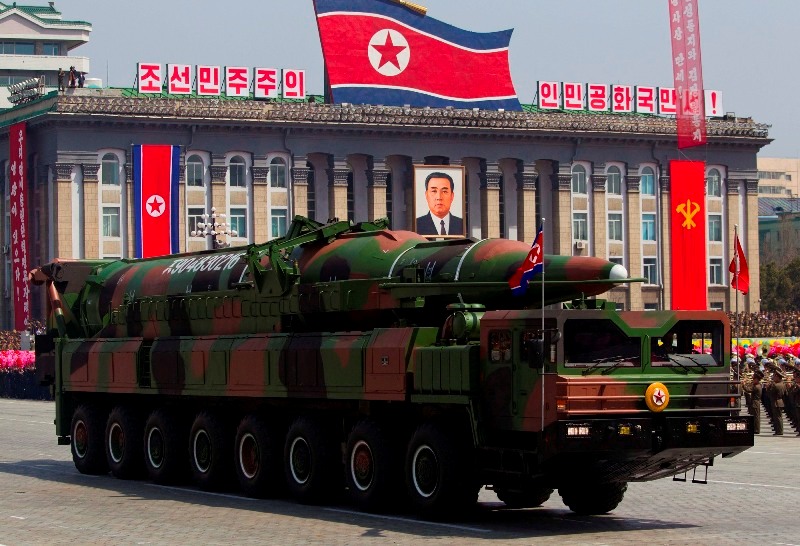
The secret organization of North Korea may also be referred to as Bureau 39 or Division 39. Many sources claim that Chamber 39 is a secret center in Pyongyang where the government promotes counterfeiting, production, drug trafficking and international insurance fraud. Room 39 of North Korea includes in the list of 25 forbiddenplaces not allowed to visit .
The Grand Sanctuary of Ise
In terms of Shintoism, there are no more sacred places. The trick is so sacred that no one can enter it except a priest (not necessarily mustachioed) who belongs to the imperial family, which considerably limits the number of postulates. To celebrate the cycle of life and death, the temple is destroyed and rebuilt every 20 years. The 62nd reconstruction will take place this year.
It is said that Pope John Paul II came out crying. “Hell” is the library of forbidden books in the Vatican Apostolic Library. Only popes can enter freely. Even the highest authorities of the Catholic hierarchy can not enter without the express authorization of the Sovereign Pontiff. Trial of Galileo, excommunication of Martin Luther, “confession” of the Knights Templar … Archives so far secret and kept under lock and key were opened for the first time in 2012 and had to be in hell before. It also contains the archives of the Inquisition, books of witchcraft and some ancient texts that probably represent more of a danger for the Church and dogma than for humanity.
SunTrust Bank
The Coca Cola formula is one of the most sought-after trade secrets on the planet, housed in the Sun Trust Bank in downtown Atlanta, one of the best-kept banks in the world.
Museum of Espionage in Nanjing
This Chinese museum is entirely dedicated to espionage. t is indeed open to the public, foreigners have no right to enter. Located in east China’s Jiangsu Province, the Nanjing National Security Education Center is dedicated to Chinese Communist Party spies. It would include gadgets straight out of spy movies like pistols hidden in pens, cigarettes or flashlights. Not to mention the different listening tools. Museum of Espionage is one of the25 forbiddenplaces not allowed to visit.
Located off Iceland, Surtsey is a volcanic island formed after a volcanic eruption began 130 meters under the ocean. The island has been the subject of all scientific attention since its appearance and, since the end of its eruption in 1965 (two years after its birth), is prohibited to the public. Only scientists are allowed to go there, to study the fauna and flora that appeared spontaneously on the island after its formation. It is to avoid “contaminating” the environment that the island is out of bounds.
thecountriesof.com, forbidden places to visit, surtsey secret places on earth
Granite Mountain
The Mormon Church has several archive safes dug into the Little Cottonwood Canyon in Utah. The chests would contain several million microfilms for information on genealogy and family history of church members. According to some sources, the number of microfilm rolls would increase by 40,000 each year. Although the place is not accessible to the public, the archives are available on the Internet and in its Family History Centers. The Granite Mountain is one of the .
Pine Gap
Pine Gap or Joint Defense Facility Pine Gap is an Australian “Zone 51” managed by Australians and Americans (CIA, NSA and NRO). This is a satellite tracking station, the unauthorized public has no right to access this place. The ECHELON project of international surveillance installed between different Anglo-Saxon countries.
Located just two kilometers from the Chernobyl power plant in Ukraine, the city of Prypiat is a ghost town since the explosion of the reactor in April 1986. Due to the high radiation rate, it has been banned since that date. However, it can be visited rarely by some tourists. Like Fukushima, in Japan, whose reactor melted in March 2011.
We believe you love the selection of the top secret places of the planet that revealed in this article.
TheCountriesOf.Com: Spreading the authentic information across the globe collecting from govt. sites of different countries and other very reliable resources.
Europe is one of the most historically significant continents in the world, shaped by centuries of migration, industrialization, wars, and economic development. Geographically, Europe is traditionally separated from Asia by the Ural Mountains, Ural River, Caucasus Mountains, Black Sea, and Caspian Sea, forming a unique cultural and political region often referred to as Eurasia.
As of 2026, Europe’s total population is estimated at around 745 million people, accounting for roughly 9% of the global population. While some European countries continue to experience population growth due to immigration and urbanization, others face population decline caused by aging societies and low birth rates.
In this article, we present a fully updated list of the top 10 European countries by population in 2026, along with insights into demographic trends, migration patterns, and regional population shifts.
Note: Russia is included due to its significant population residing west of the Ural Mountains, which places a large portion of its population within Europe.
Top 10 European Countries by Population (2026)
1. Russia
Capital: Moscow
Estimated Population (2026): ~146 million
Annual Trend: Slight decline
Russia remains the most populated country in Europe by a wide margin. Although Russia spans both Europe and Asia, nearly 75% of its population lives in the European part, making it the clear leader in European population rankings.
Despite long-term demographic challenges such as low birth rates and emigration, Russia’s population remains the largest due to its vast territory and urban concentration around major cities like Moscow and Saint Petersburg.
2. Germany
Capital: Berlin
Estimated Population (2026): ~84 million
Annual Trend: Stable to slightly increasing
Germany is the most populous country entirely within Europe. Its population growth in recent years has been driven largely by immigration, especially from other European nations, the Middle East, and Asia.
Germany’s strong economy, healthcare system, and job market continue to attract migrants, offsetting its low fertility rate.ne of the youngest populations in the world, which contributes to its fast demographic expansion.
3. United Kingdom
Capital: London
Estimated Population (2026): ~69 million
Annual Trend: Moderate growth
The United Kingdom remains one of Europe’s most densely populated and urbanized countries. London alone accounts for a significant share of population growth.
Despite Brexit-related migration changes, the UK continues to grow due to a combination of birth rates, international migration, and economic opportunities.
4. France
Capital: Paris
Estimated Population (2026): ~66 million
Annual Trend: Slow growth
France has one of the highest birth rates in Western Europe, which has helped stabilize its population. Immigration also plays an important role in sustaining demographic balance.
France’s population is spread across major urban centers such as Paris, Lyon, and Marseille.
5. Italy
Capital: Rome
Estimated Population (2026): ~59 million
Annual Trend: Declining
Italy continues to experience population decline due to low fertility rates and an aging population. While immigration partially offsets the decline, it has not been sufficient to reverse the trend entirely.
Italy remains one of the most culturally influential countries in Europe despite demographic challenges.
6. Spain
Capital: Madrid
Estimated Population (2026): ~48 million
Annual Trend: Gradual recovery
Spain’s population declined during the early 2010s but has stabilized in recent years thanks to immigration and improved economic conditions.
Major population centers include Madrid, Barcelona, and Valencia, which continue to attract both domestic and international residents.
7. Ukraine
Capital: Kyiv
Estimated Population (2026): ~36 million
Annual Trend: Declining
Ukraine has experienced significant population loss due to migration, conflict, and low birth rates. Despite this, it remains one of the most populated countries in Eastern Europe.
Population figures have fluctuated significantly in recent years due to geopolitical factors.
8. Poland
Capital: Warsaw
Estimated Population (2026): ~37 million
Annual Trend: Slight decline
Poland has seen steady emigration over the past decade, particularly to Western Europe. However, recent immigration from neighboring regions has helped stabilize the population.
Poland remains a key demographic and economic force in Central Europe.
9. Romania
Capital: Bucharest
Estimated Population (2026): ~19 million
Annual Trend: Declining
Romania’s population decline is largely due to emigration and low fertility rates. Many Romanian citizens live and work elsewhere in the European Union.
10. Netherlands
Capital: Amsterdam
Estimated Population (2026): ~18 million
Annual Trend: Growing
The Netherlands closes the top ten with consistent population growth driven by immigration and high urban density. It is one of the most densely populated countries in Europe.
Key Population Trends in Europe (2026)
Western Europe relies heavily on immigration for growth
Eastern Europe faces population decline
Aging populations are increasing pressure on healthcare systems
Urban areas continue to expand faster than rural regions
Frequently Asked Questions (FAQ)
1. Which country has the highest population in Europe in 2026?
Russia remains the most populated European country with approximately 146 million people.
2. What is the most populated country fully inside Europe?
Germany is the most populated country entirely within Europe.
3. Is Europe’s population increasing or decreasing?
Overall, Europe’s population is slowly declining, but some countries continue to grow due to immigration.
4. Why is Russia considered part of Europe?
Most of Russia’s population lives west of the Ural Mountains, traditionally considered Europe’s boundary.
5. Which European country has the fastest population growth?
Countries like Germany, the Netherlands, and the UK show the most stable or positive growth trends.
Islam is the second-largest religion in the world and continues to grow steadily due to population trends across Asia, Africa, and parts of the Middle East. As of 2026, Muslims account for around 25% of the global population, with more than 2 billion followers worldwide.
Unlike common assumptions, the countries with the largest Muslim populations are not limited to the Middle East. In fact, South and Southeast Asia dominate the list, with Africa following closely behind. Population growth, demographics, and migration patterns have played a major role in reshaping global religious distribution over the last decade.
This updated 2026 guide highlights the top 10 countries with the largest Muslim population, along with verified estimates, global percentages, and key insights to help readers understand the broader demographic picture.
Global Muslim Population Overview (2026)
Estimated global Muslim population: ~2.05 billion
Percentage of world population: ~25%
Fastest growth regions: South Asia & Sub-Saharan Africa
Largest Muslim-majority region: Asia-Pacific
Top 10 Countries With the Largest Muslim Population (2026)
1. Indonesia
Capital: Jakarta
Estimated Muslim Population: ~238 million
Share of Global Muslim Population: ~11.6%
Indonesia remains the country with the largest Muslim population in the world. Although it is not officially an Islamic state, Islam plays a central role in Indonesian culture, traditions, and daily life. The majority of Indonesian Muslims follow Sunni Islam, and the country is known for its relatively moderate religious practices.
2. Pakistan
Capital: Islamabad
Estimated Muslim Population: ~240 million
Share of Global Muslim Population: ~11.7%
Pakistan narrowly rivals Indonesia due to rapid population growth. Islam is the state religion, and over 96% of the population identifies as Muslim. Pakistan has one of the youngest populations in the world, which contributes to its fast demographic expansion.
3. India
Capital: New Delhi
Estimated Muslim Population: ~210 million
Share of Global Muslim Population: ~10.2%
India has the largest Muslim minority population globally. Despite Muslims being a minority religion in India, the country ranks among the top three worldwide due to its massive overall population. Indian Muslims contribute significantly to culture, education, trade, and politics.
4. Bangladesh
Capital: Dhaka
Estimated Muslim Population: ~170 million
Share of Global Muslim Population: ~8.3%
Bangladesh is a Muslim-majority country where Islam deeply influences social norms and public life. The country has seen consistent population growth, placing it firmly among the top Muslim-populated nations.
5. Nigeria
Capital: Abuja
Estimated Muslim Population: ~115 million
Share of Global Muslim Population: ~5.6%
Nigeria has the largest Muslim population in Africa. Islam is mainly practiced in the northern regions of the country. Nigeria’s high fertility rate makes it one of the fastest-growing Muslim populations globally.
6. Egypt
Capital: Cairo
Estimated Muslim Population: ~110 million
Share of Global Muslim Population: ~5.4%
Egypt is a cultural and religious hub of the Arab world. Al-Azhar University in Cairo is one of the most influential Islamic institutions globally, making Egypt a center of Islamic scholarship.
7. Iran
Capital: Tehran
Estimated Muslim Population: ~88 million
Share of Global Muslim Population: ~4.3%
Iran is unique among the top Muslim countries due to its Shia Muslim majority. Islam plays a defining role in governance, law, and social life across the country.
8. Turkey
Capital: Ankara
Estimated Muslim Population: ~85 million
Share of Global Muslim Population: ~4.1%
Turkey bridges Europe and Asia and has a predominantly Muslim population. While the state is officially secular, Islam remains culturally significant across Turkish society.
9. Algeria
Capital: Algiers
Estimated Muslim Population: ~45 million
Share of Global Muslim Population: ~2.2%
Islam is the state religion of Algeria, with nearly the entire population identifying as Muslim. The country follows mostly Sunni Islam.
10. Morocco
Capital: Rabat
Estimated Muslim Population: ~38 million
Share of Global Muslim Population: ~1.9%
Morocco rounds out the top ten with Islam being central to its identity, traditions, and monarchy. The king holds the title “Commander of the Faithful.”
Key Trends in Muslim Population Growth (2026)
Africa will dominate future growth due to high fertility rates
Asia remains the largest Muslim region overall
Migration is increasing Muslim populations in Europe and North America
Youth demographics are significantly higher in Muslim-majority countries
Frequently Asked Questions (FAQ)
1. Which country has the largest Muslim population in 2026?
Pakistan and Indonesia are nearly tied, each with around 240 million Muslims, making them the largest globally.
2. Is India a Muslim-majority country?
No. Muslims are a minority in India, but India has the third-largest Muslim population worldwide.
3. Which continent has the most Muslims?
Asia has the largest Muslim population, followed by Africa.
4. Is Islam the fastest-growing religion?
Yes. Islam is projected to be the fastest-growing major religion globally due to high birth rates.
5. Will Africa surpass Asia in Muslim population?
By mid-century, Africa is expected to rival Asia due to rapid population growth.
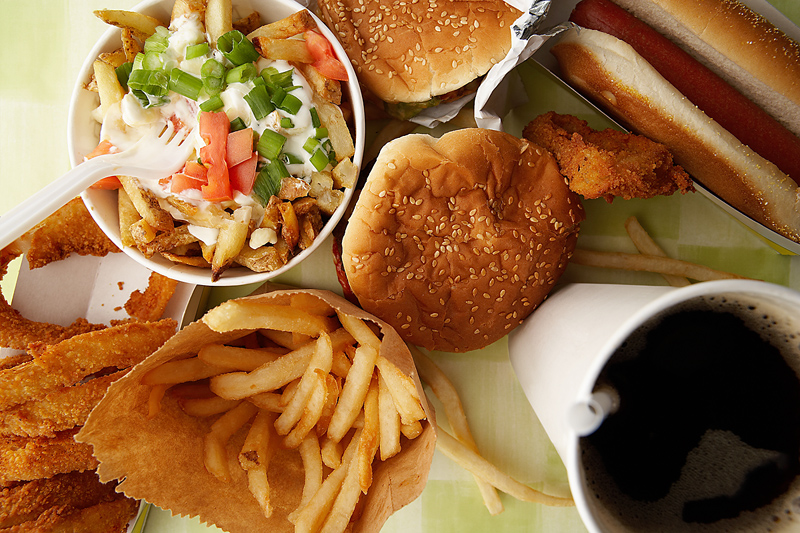
Fast food restaurants have become a global lifestyle phenomenon. From quick lunches to late-night cravings, fast food chains offer speed, consistency, affordability, and familiar flavors across continents. In 2026, the world’s largest fast food brands are no longer just restaurants. They are multinational corporations generating billions of dollars in annual revenue and serving millions of customers every day.
These brands dominate the industry through massive global footprints, strong brand recognition, and efficient franchise models. Below is the updated and carefully ranked list of the Top 10 Largest Fast Food Chains in the World (2026) based on global presence, brand value, revenue scale, and customer reach.
Top 10 Largest Fast Food Chains in the World (2026)
10. Sonic Drive-In
Founded in 1953, Sonic Drive-In is a uniquely American fast food chain famous for its drive-in service model. Customers enjoy meals from their cars while attendants deliver food on roller skates — a nostalgic experience that still attracts millions.
Global Outlets: 3,300+
Specialty: Burgers, hot dogs, milkshakes
Market Strength: United States
Sonic remains one of the largest fast food brands in North America and continues to expand through franchising.
9. Kentucky Fried Chicken (KFC)
KFC is one of the most recognizable fast food brands worldwide, known for its secret fried chicken recipe created by Colonel Harland Sanders in 1930.
Global Outlets: 27,000+
Countries: 150+
Parent Company: Yum! Brands
KFC dominates the fried chicken segment globally, especially in Asia, Africa, and the Middle East.
8. Pizza Hut
Founded in 1958, Pizza Hut transformed from a small pizza parlor into one of the world’s largest pizza chains.
Global Outlets: 18,000+
Specialty: Pizza, pasta, wings
Presence: Dine-in, delivery, takeaway
Pizza Hut continues to compete strongly in international markets, particularly in Asia.
7. Dunkin’ (Dunkin Donuts)
Dunkin’ is one of the world’s largest coffee and baked goods chains, especially popular in the United States.
Global Outlets: 13,000+
Specialty: Coffee, donuts, breakfast items
Brand Focus: Speed & affordability
Dunkin’ has positioned itself as a daily-use brand rather than an occasional treat.
6. Taco Bell
Taco Bell revolutionized fast food with its Tex-Mex menu, offering tacos, burritos, and nachos at affordable prices.
Global Outlets: 8,000+
Parent Company: Yum! Brands
Strong Market: United States
Its innovative menu experiments and youth-focused branding keep it highly competitive.
5. Starbucks
Although primarily a coffeehouse chain, Starbucks is one of the largest fast food service brands in the world due to its scale and revenue.
Global Stores: 35,000+
Founded: 1971
Annual Revenue: $35+ billion
Starbucks dominates the premium coffee segment and maintains a strong global lifestyle brand image.
4. Wendy’s
Wendy’s is famous for its fresh beef burgers, square patties, and strong social media presence.
Global Outlets: 7,000+
Founded: 1969
Specialty: Burgers, salads, frosties
Wendy’s continues to expand internationally while holding a solid position in North America.
3. Burger King
Burger King is one of the world’s largest burger chains, best known for the Whopper.
Global Outlets: 19,000+
Founded: 1955
Presence: 100+ countries
Its flame-grilled burgers and aggressive global expansion keep it among the top fast food giants.
2. Subway
Subway remains one of the largest fast food chains by store count, focusing on customizable submarine sandwiches.
Global Outlets: 37,000+
Countries: 100+
Specialty: Fresh sandwiches & salads
Despite store closures in some regions, Subway still maintains massive global reach.
1. McDonald’s
McDonald’s is the largest and most powerful fast food chain in the world.
Global Outlets: 41,000+
Founded: 1954
Annual Revenue: $25+ billion
With its iconic burgers, fries, and unmatched brand recognition, McDonald’s remains the undisputed leader of the global fast food industry in 2026.
Frequently Asked Questions (FAQ)
1. Which is the largest fast food chain in the world in 2026?
McDonald’s is the largest fast food chain globally in 2026 based on revenue, outlets, and brand value.
2. Which fast food chain has the most locations worldwide?
Subway has one of the highest numbers of locations globally, operating in over 100 countries.
3. Is Starbucks considered a fast food restaurant?
Yes, Starbucks is classified as a fast food service chain due to its quick-service model and massive global presence.
4. Which fast food chain earns the most revenue?
McDonald’s generates the highest annual revenue among fast food chains worldwide.
5. Are fast food chains still growing globally?
Yes, fast food chains continue to grow, especially in Asia, Africa, and the Middle East due to urbanization and rising demand.
Renewable energy has become one of the most important pillars of the global energy system. As countries work to reduce carbon emissions, strengthen energy security, and transition away from fossil fuels, renewable energy sources such as wind, solar, hydropower, biomass, and geothermal energy continue to expand rapidly.
By 2026, renewable energy is no longer a niche solution. It is a core component of national energy strategies across the world, supported by technological advancements, declining costs, and strong government policies. Many of the world’s largest economies are now also the biggest producers of renewable electricity.
What Is Renewable Energy?
Renewable energy refers to energy generated from natural sources that are continuously replenished on a human timescale. These sources include:
Solar energy from sunlight
Wind energy from air currents
Hydropower from flowing water
Biomass and waste-derived energy
Geothermal energy from heat within the Earth
Unlike fossil fuels, renewable energy sources produce significantly lower greenhouse gas emissions and offer long-term sustainability.
Global Renewable Energy Landscape in 2026
As of 2026, renewable energy contributes a growing share of global electricity production. Hydropower remains a major contributor, while wind and solar energy are expanding at the fastest pace due to large-scale installations and improved efficiency.
Several countries stand out as global leaders, not only because of their natural resources but also due to long-term investment, infrastructure development, and supportive policy frameworks.
Top 10 Renewable Energy Producers in the World (2026)
Below is a list of the world’s leading producers of renewable electricity, based on overall generation capacity and output from multiple renewable sources.
1. China
China continues to rank as the world’s largest producer of renewable energy. The country leads globally in hydropower capacity and has also made massive investments in wind and solar energy. Large-scale infrastructure projects and long-term energy planning have positioned China as a dominant force in clean electricity generation.
2. European Union
As a combined bloc, the European Union remains one of the world’s top renewable energy producers. EU member states have aggressively expanded wind, solar, and biomass energy while steadily reducing reliance on fossil fuels. Countries such as Germany, Spain, and France play a major role in the region’s renewable output.
3. United States
The United States is a global leader in renewable energy production, supported by a diverse mix of hydropower, wind, solar, and geothermal resources. Large-scale wind farms, expanding solar capacity, and technological innovation continue to strengthen the country’s renewable energy profile in 2026.
4. Brazil
Brazil is one of the world’s most renewable-energy-dependent nations, with hydropower forming the backbone of its electricity system. The country also continues to expand wind and biomass energy, making it a major contributor to global renewable electricity production.
5. Canada
Canada’s renewable energy production is driven primarily by hydropower, which supplies a large portion of the nation’s electricity. In addition to hydroelectricity, Canada has steadily increased wind and solar installations, reinforcing its position among the world’s top producers.
6. Russia
Russia generates a significant amount of renewable electricity mainly through hydropower and geothermal energy. While fossil fuels still dominate its overall energy mix, renewable electricity production remains substantial due to the country’s vast natural resources.
7. India
India has emerged as one of the fastest-growing renewable energy producers globally. With major investments in solar and wind power, along with existing hydropower capacity, India continues to expand clean energy generation to meet its growing electricity demand.
8. Germany
Germany remains a global pioneer in renewable energy transition. Wind, solar, and biomass collectively form a significant share of the country’s electricity generation. Long-term policy commitments and technological innovation have kept Germany among the world’s top renewable producers.
9. Norway
Norway’s electricity system is overwhelmingly powered by hydropower, making it one of the cleanest energy producers globally. Its abundant water resources allow the country to generate renewable electricity at a scale that far exceeds domestic demand.
10. Japan
Japan continues to invest heavily in renewable energy following its long-term energy diversification strategy. Solar energy plays a major role, supported by hydropower, wind, and geothermal sources, keeping Japan among the top renewable electricity producers worldwide.
Why Renewable Energy Leadership Matters
Countries leading in renewable energy production benefit from:
Reduced carbon emissions
Greater energy independence
Long-term economic sustainability
Lower exposure to fossil fuel price volatility
These advantages make renewable energy a strategic priority for both developed and emerging economies.
Frequently Asked Questions (FAQs)
1. Which country produces the most renewable energy in the world in 2026?
As of 2026, China is the largest producer of renewable energy in the world. It leads globally due to its massive hydropower capacity and rapid expansion of wind and solar energy projects across the country.
2. What are the main sources of renewable energy used worldwide?
The main renewable energy sources used globally include hydropower, wind energy, solar energy, biomass, and geothermal energy. Among these, hydropower remains the largest contributor, while wind and solar are the fastest-growing sources.
Why is renewable energy important for the global economy?
Renewable energy is important because it helps reduce carbon emissions, improves energy security, lowers long-term energy costs, and supports sustainable economic growth. It also reduces dependence on fossil fuels and protects countries from energy price volatility.
4. Is renewable energy cheaper than fossil fuels in 2026?
In many regions, renewable energy—especially solar and wind power—is now cheaper or comparable in cost to fossil fuels. Advances in technology, large-scale production, and supportive government policies have significantly reduced renewable energy costs by 2026.
5. Which renewable energy source is growing the fastest globally?
Solar and wind energy are the fastest-growing renewable energy sources worldwide. Falling installation costs, improved efficiency, and strong climate commitments have accelerated their adoption across both developed and developing countries.
Conclusion
In 2026, renewable energy stands at the center of the global energy transition. Countries such as China, the United States, and members of the European Union continue to dominate renewable electricity production, while emerging economies rapidly expand their clean energy capacity.
As technology improves and global climate commitments strengthen, renewable energy production is expected to play an even larger role in shaping the future of the world’s energy systems.
The United States of America (USA), commonly known as the United States or America, is one of the world’s most influential nations both economically and politically. Located in North America, the country consists of 50 states, a federal district (Washington, D.C.), and several overseas territories. The United States shares borders with Canada to the north and Mexico to the south, while being flanked by the Atlantic and Pacific Oceans.
As of 2026, the United States continues to hold the position of the largest national economy in the world by nominal GDP, driven by innovation, productivity, consumer spending, and a highly diversified economic structure. It remains one of the most developed and technologically advanced economies globally, with a high standard of living and strong institutional foundations.
nited States Economic Overview (2026)
In 2026, the US economy reflects a mature yet adaptive system capable of responding to global challenges. While economic growth rates vary year to year, the country maintains long-term stability through a combination of domestic consumption, global trade, financial services, and technological leadership.
Key characteristics of the US economy in 2026 include:
A strong services-driven economy
High levels of private-sector participation
Global leadership in technology, finance, and innovation
A resilient labor market supported by diverse industries
Despite facing challenges such as inflation control, geopolitical uncertainty, and shifts in global supply chains, the United States continues to demonstrate economic resilience and adaptability.
Historical Background of the United States Economy
The foundations of the United States economy were laid during the 16th to 18th centuries, originating from European colonial settlements. Over time, the country evolved from an agrarian society into an industrial powerhouse and, eventually, into a highly advanced service- and knowledge-based economy.
By the late 19th and early 20th centuries, rapid industrialization transformed the US into a global manufacturing leader. Following World War II, the United States emerged as the dominant global economic force, a position it has largely maintained through innovation, financial strength, and institutional stability.
Today, the US economy accounts for a significant share of global economic output, making it one of the most influential economies in shaping international markets and policies.
Business Environment and Economic Structure
One of the defining strengths of the United States economy is its market-oriented system, where private enterprises play a central role in economic decision-making. The government primarily acts as a regulator and facilitator rather than a direct controller of production.
This economic model encourages:
Entrepreneurship and innovation
Competitive markets
Capital investment and productivity growth
The availability of skilled labor, advanced infrastructure, and strong legal protections further enhances economic efficiency and global competitiveness.
Employment and Labor Market in the United States (2026)
The United States labor market is among the largest and most diverse in the world. Employment opportunities exist across nearly every sector, attracting both domestic and international talent.
As of 2026:
The private sector employs the vast majority of the workforce
The service sector dominates employment
Government employment remains a stable but smaller share of total jobs
The unemployment rate fluctuates based on economic cycles, but overall employment levels remain strong compared to global averages.
Sector-wise Employment Distribution
The structure of employment in the United States economy can be broadly categorized into three main sectors:
Service Sector
Accounts for the largest share of employment
Includes finance, healthcare, education, retail, technology, and professional services
Industrial Sector
Covers manufacturing, construction, energy, and transportation
Though smaller than in the past, it remains vital to economic output
Agricultural Sector
Employs a small percentage of the workforce
Highly efficient due to mechanization and technology
This sectoral balance highlights the transition of the US economy into a modern, service-driven system while maintaining industrial and agricultural productivity.
Major Non-Farm Employment Areas
Some of the most significant contributors to non-farm employment in the United States include:
Retail trade
Healthcare and social assistance
Professional and technical services
Education services
Construction
Finance and insurance
Transportation and warehousing
These industries collectively support economic growth, consumer demand, and innovation across the country.
Global Economic Standing
In 2026, the United States remains among the top-ranked countries globally in terms of GDP, technological advancement, military capability, and financial influence. The US dollar continues to serve as the world’s primary reserve currency, further reinforcing America’s economic leadership.
Beyond economics, the United States also plays a key role in global security, research, higher education, and innovation.
Conclusion
The United States economy in 2026 stands as one of the most powerful and diversified economic systems in the world. Backed by a strong private sector, advanced technology, skilled workforce, and stable institutions, the country continues to shape global economic trends.
While challenges exist, the long-term outlook of the US economy remains strong, making it a central pillar of the global economic landscape.
Identifying the poorest countries in the world requires more than comparing raw income figures. Economists rely on GDP per capita adjusted for purchasing power parity (PPP) to understand how people actually live within their local economies. PPP accounts for differences in cost of living and inflation, making it the most accurate way to compare poverty levels across countries.
In 2026, global poverty remains concentrated in regions facing conflict, weak institutions, climate stress, and limited industrial growth. This updated guide explains how poverty is measured and highlights the poorest countries in the world based on IMF 2025/2026 GDP per capita (PPP) projections.
How GDP Per Capita (PPP) Measures Poverty ?
GDP per capita (PPP) divides a country’s total economic output by its population and adjusts the result based on local purchasing power. This means a dollar is measured by what it can actually buy within that country rather than by exchange rates alone.
Why PPP matters:
Reflects real living standards
Accounts for inflation and cost differences
Preferred by IMF and World Bank for poverty analysis
Top 10 Poorest Countries in the World 2026 – GDP Per Capita
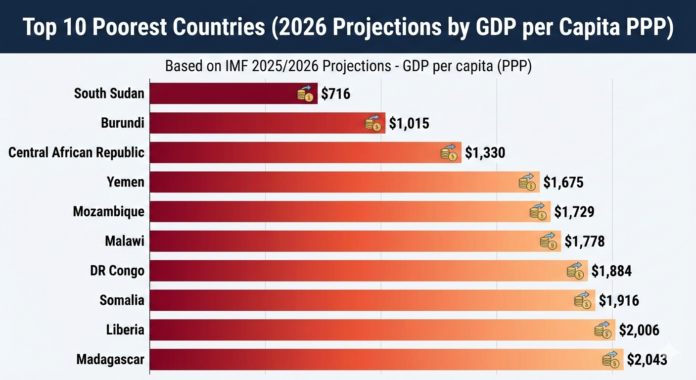
According to IMF 2025/2026 projections, the following countries rank as the poorest globally based on GDP per capita (PPP):
South Sudan – Capital: Juba – ~$716
Burundi – Capital: Gitega – ~$1,015
Central African Republic – Capital: Bangui – ~$1,330
Yemen – Capital: Sana’a – ~$1,675
Mozambique – Capital: Maputo – ~$1,729
Malawi – Capital: Lilongwe – ~$1,778
Democratic Republic of the Congo – Capital: Kinshasa – ~$1,884
Somalia – Capital: Mogadishu – ~$1,916
Liberia – Capital: Monrovia – ~$2,006
Madagascar – Capital: Antananarivo – ~$2,043
Poorest Countries 2026 Insights
South Sudan
South Sudan ranks as the poorest country in the world in 2026. Ongoing conflict, high inflation, weak infrastructure, and dependence on oil exports have limited economic development. Most of the population relies on subsistence farming, with limited access to healthcare and education.
Burundi
Burundi’s economy remains heavily dependent on agriculture, employing the majority of its population. Low productivity, limited industrialization, and political instability continue to suppress income growth.
Central African Republic
Persistent insecurity, poor infrastructure, and limited access to basic services have kept economic output low. Despite natural resource potential, development remains constrained.
Yemen
Years of conflict have devastated Yemen’s economy. Disrupted trade, humanitarian crises, and currency instability have significantly reduced purchasing power.
Why These Countries Remain Poor in 2026
Several shared factors contribute to persistent poverty:
Armed conflict and political instability
Climate-related disasters and food insecurity
Low education and skill development
Weak healthcare systems
Limited foreign investment and infrastructure
These conditions often reinforce each other, slowing recovery.
Frequently Asked Questions
What is the poorest country in the world in 2026? South Sudan is the poorest country in the world in 2026 based on GDP per capita (PPP).
Why is PPP used instead of nominal GDP? PPP provides a more accurate comparison of living standards by accounting for differences in local prices and cost of living.
Are these rankings permanent? No. Economic reforms, stability, and investment can improve a country’s ranking over time.
Does GDP per capita show income equality? No. It shows average income and does not reflect income distribution or inequality.
Conclusion
The poorest countries in the world in 2026 face deep-rooted economic and structural challenges. While GDP per capita (PPP) provides a clearer picture of living standards, sustainable progress depends on peace, education, healthcare access, and long-term economic reform.
Understanding these rankings helps explain global inequality and highlights the importance of targeted development efforts worldwide.
Are you looking for a reliable and efficient way to accomplish your tasks? Look no further than opga001.info – the ultimate online destination for all your needs. opga001.info offers a full suite of services and products that can help you achieve your goals. Their features are designed to make your life easier and more productive. In this article, we will explore the advantages of using opga001.info, from overviews of their services and products to their customer support and payment options.
Introduction to opga001.info
opga001.info is an online platform that provides users with a range of services and products to meet their needs. With a wide selection of products and services, opga001.info is the perfect destination for all your needs. Whether you need assistance with web design, marketing, or any other task, opga001.info can provide you with the resources you need to get the job done quickly and efficiently.
Overview of opga001.info Services and Products
opga001.info offers a variety of services and products that can help you achieve your goals. From web design and development to marketing and advertising, opga001.info has something for everyone. Whether you need assistance with branding, content creation, or any other task, opga001.info has the resources you need to get the job done.
Benefits of Using opga001.info
One of the main benefits of using opga001.info is that it provides users with access to a wide range of services and products. With opga001.info, users can find everything they need in one place. This makes it easy for users to find the resources they need quickly and efficiently. Additionally, opga001.info is user-friendly, making it easy for new users to get up and running quickly.
How opga001.info Helps Users to Achieve Their Goals
opga001.info provides users with the tools and resources they need to achieve their goals. From web design and development to marketing and advertising, opga001.info has something to offer everyone. With their wide selection of services and products, users can find exactly what they need to get the job done quickly and efficiently. Additionally, opga001.info provides users with helpful tutorials and support, making it easy for users to get started and stay on track with their goals.
Features of opga001.info
opga001.info has a wide range of features that make it easy for users to get the job done. From their intuitive user interface to their comprehensive tutorials and support, opga001.info has something to offer everyone. Additionally, opga001.info offers users access to a wide selection of services and products, making it easy for users to find exactly what they need to get the job done.
Features of the opga001.info Website
The opga001.info website is designed to make it easy for users to find the resources they need quickly and efficiently. The website features an intuitive user interface that makes it easy for new users to get up and running quickly. Additionally, the website offers users access to a wide range of services and products, making it easy for users to find exactly what they need to get the job done.
Overview of the Customer Service and Support Offered by opga001.info
opga001.info also offers users access to a comprehensive customer service and support system. The customer service and support team is available 24/7 to answer any questions or provide assistance with any issues that users may have. Additionally, opga001.info provides users with helpful tutorials and support, making it easy for users to get started and stay on track with their goals.
Pricing and Payment Options Offered by opga001.info
opga001.info offers users a variety of pricing and payment options. From monthly subscriptions to one-time payments, opga001.info has something to offer everyone. Additionally, opga001.info offers users access to a wide range of services and products, making it easy for users to find exactly what they need to get the job done.
Tips on How to Get the Most Out of opga001.info
There are a few tips that users should keep in mind when using opga001.info. First, users should take advantage of the tutorials and support offered by opga001.info to ensure that they are getting the most out of the platform. Second, users should explore the different services and products offered by opga001.info to ensure that they are finding the best solution for their needs. Finally, users should take advantage of the pricing and payment options offered by opga001.info to ensure that they are getting the best value for their money.
Conclusion and Summary of the Benefits of opga001.info
In conclusion, opga001.info is the perfect destination for all your needs. With a wide selection of services and products, opga001.info provides users with the tools and resources they need to achieve their goals. Additionally, opga001.info offers users access to helpful tutorials and support, as well as a variety of pricing and payment options. With opga001.info, users can find exactly what they need to get the job done quickly and efficiently.