
Renewable energy has become one of the most important pillars of the global energy system. As countries work to reduce carbon emissions, strengthen energy security, and transition away from fossil fuels, renewable energy sources such as wind, solar, hydropower, biomass, and geothermal energy continue to expand rapidly.
By 2026, renewable energy is no longer a niche solution. It is a core component of national energy strategies across the world, supported by technological advancements, declining costs, and strong government policies. Many of the world’s largest economies are now also the biggest producers of renewable electricity.
What Is Renewable Energy?
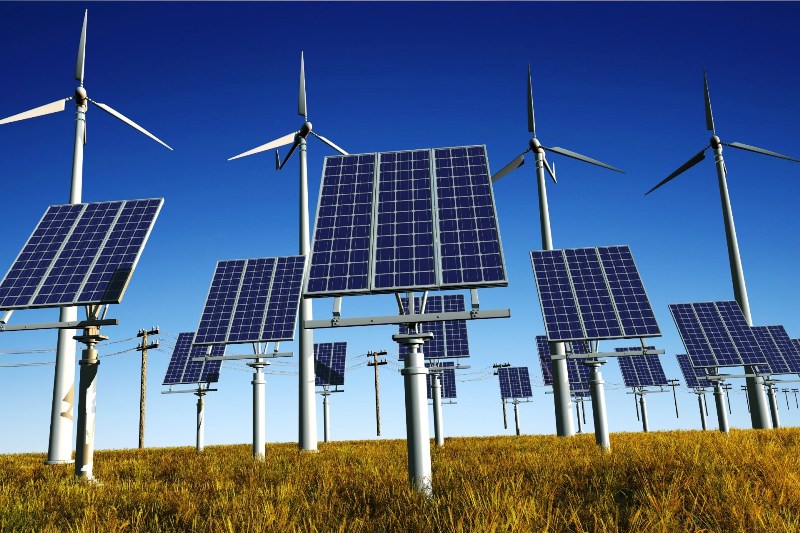
Renewable energy refers to energy generated from natural sources that are continuously replenished on a human timescale. These sources include:
- Solar energy from sunlight
- Wind energy from air currents
- Hydropower from flowing water
- Biomass and waste-derived energy
- Geothermal energy from heat within the Earth
Unlike fossil fuels, renewable energy sources produce significantly lower greenhouse gas emissions and offer long-term sustainability.

Global Renewable Energy Landscape in 2026
As of 2026, renewable energy contributes a growing share of global electricity production. Hydropower remains a major contributor, while wind and solar energy are expanding at the fastest pace due to large-scale installations and improved efficiency.
Several countries stand out as global leaders, not only because of their natural resources but also due to long-term investment, infrastructure development, and supportive policy frameworks.
Top 10 Renewable Energy Producers in the World (2026)
Below is a list of the world’s leading producers of renewable electricity, based on overall generation capacity and output from multiple renewable sources.
1. China
China continues to rank as the world’s largest producer of renewable energy. The country leads globally in hydropower capacity and has also made massive investments in wind and solar energy. Large-scale infrastructure projects and long-term energy planning have positioned China as a dominant force in clean electricity generation.
2. European Union
As a combined bloc, the European Union remains one of the world’s top renewable energy producers. EU member states have aggressively expanded wind, solar, and biomass energy while steadily reducing reliance on fossil fuels. Countries such as Germany, Spain, and France play a major role in the region’s renewable output.
3. United States
The United States is a global leader in renewable energy production, supported by a diverse mix of hydropower, wind, solar, and geothermal resources. Large-scale wind farms, expanding solar capacity, and technological innovation continue to strengthen the country’s renewable energy profile in 2026.
4. Brazil
Brazil is one of the world’s most renewable-energy-dependent nations, with hydropower forming the backbone of its electricity system. The country also continues to expand wind and biomass energy, making it a major contributor to global renewable electricity production.
5. Canada
Canada’s renewable energy production is driven primarily by hydropower, which supplies a large portion of the nation’s electricity. In addition to hydroelectricity, Canada has steadily increased wind and solar installations, reinforcing its position among the world’s top producers.
6. Russia
Russia generates a significant amount of renewable electricity mainly through hydropower and geothermal energy. While fossil fuels still dominate its overall energy mix, renewable electricity production remains substantial due to the country’s vast natural resources.
7. India
India has emerged as one of the fastest-growing renewable energy producers globally. With major investments in solar and wind power, along with existing hydropower capacity, India continues to expand clean energy generation to meet its growing electricity demand.
8. Germany
Germany remains a global pioneer in renewable energy transition. Wind, solar, and biomass collectively form a significant share of the country’s electricity generation. Long-term policy commitments and technological innovation have kept Germany among the world’s top renewable producers.
9. Norway
Norway’s electricity system is overwhelmingly powered by hydropower, making it one of the cleanest energy producers globally. Its abundant water resources allow the country to generate renewable electricity at a scale that far exceeds domestic demand.
10. Japan
Japan continues to invest heavily in renewable energy following its long-term energy diversification strategy. Solar energy plays a major role, supported by hydropower, wind, and geothermal sources, keeping Japan among the top renewable electricity producers worldwide.
Why Renewable Energy Leadership Matters
Countries leading in renewable energy production benefit from:
- Reduced carbon emissions
- Greater energy independence
- Long-term economic sustainability
- Lower exposure to fossil fuel price volatility
These advantages make renewable energy a strategic priority for both developed and emerging economies.
Frequently Asked Questions (FAQs)
1. Which country produces the most renewable energy in the world in 2026?
As of 2026, China is the largest producer of renewable energy in the world. It leads globally due to its massive hydropower capacity and rapid expansion of wind and solar energy projects across the country.
2. What are the main sources of renewable energy used worldwide?
The main renewable energy sources used globally include hydropower, wind energy, solar energy, biomass, and geothermal energy. Among these, hydropower remains the largest contributor, while wind and solar are the fastest-growing sources.
Why is renewable energy important for the global economy?
Renewable energy is important because it helps reduce carbon emissions, improves energy security, lowers long-term energy costs, and supports sustainable economic growth. It also reduces dependence on fossil fuels and protects countries from energy price volatility.
4. Is renewable energy cheaper than fossil fuels in 2026?
In many regions, renewable energy—especially solar and wind power—is now cheaper or comparable in cost to fossil fuels. Advances in technology, large-scale production, and supportive government policies have significantly reduced renewable energy costs by 2026.
5. Which renewable energy source is growing the fastest globally?
Solar and wind energy are the fastest-growing renewable energy sources worldwide. Falling installation costs, improved efficiency, and strong climate commitments have accelerated their adoption across both developed and developing countries.
Conclusion
In 2026, renewable energy stands at the center of the global energy transition. Countries such as China, the United States, and members of the European Union continue to dominate renewable electricity production, while emerging economies rapidly expand their clean energy capacity.
As technology improves and global climate commitments strengthen, renewable energy production is expected to play an even larger role in shaping the future of the world’s energy systems.