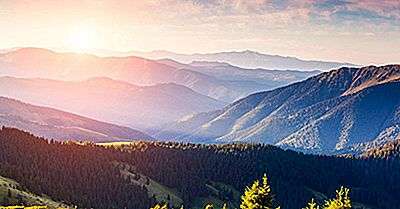
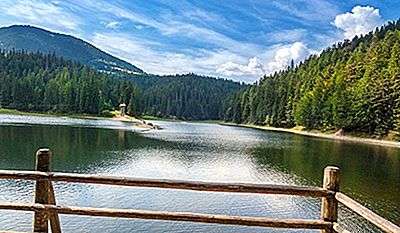
Lake Synevyr, one of the seven natural wonders of Ukraine, is the largest Carpathian lake in the country. The lake is located in the Zakarpattia oblast and is part of the “Synevyr” national nature reserve. According to researchers, Lake Synevyr was formed about 10,000 years ago. The lake is located at an altitude of 989 meters above sea level and is surrounded by a forest of about 140 to 160 years old. Tourists are not allowed to swim, camp or fish in the lake. However, the beautiful landscapes of the lake and its crystal clear waters and the surrounding green forests attract nature lovers.
6. Shatsky National Park
Shatsky National Park, Ukraine.
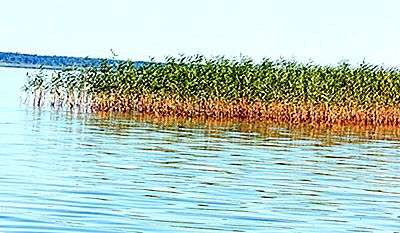
The Shatsky National Natural Park was created in 1983 to protect and preserve the flora and fauna of the region and to encourage tourism in the region. The park covers an area of km2 in the Shatsk region of Volyn Oblast. Shatsky National Nature Park includes more than 490 lakes of various sizes. The group of lakes is one of the largest in Europe. Among these lakes is Lake Svitiaz, the deepest and the second largest Ukrainian lake. The lake has a maximum depth of 30 meters. The protected area is home to approximately 58.4 plant species, including 1180 species of higher vascular plants. Animals found here include mammals 795, amphibian species 55, fish species 7, bird species 29 and a large number of species
5. Podilski Tovtry
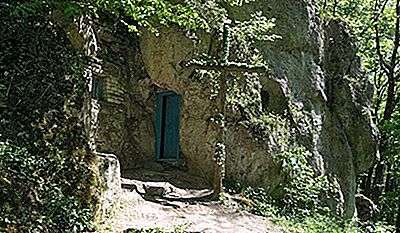
A cave monastery in the Podilski Tovtry National Park.
Podilski Tovtry, a national natural park, is located in the Khmelnytskyi Oblast in western Ukraine. It is the largest conservation area in the country. The national natural park was created on July 27, 1996, and occupies an area of 2,613.16 km square. The Podilski Tovtry is home to 217 wildlife species, including a number of endangered species. The main objective of the park is to protect the flora and fauna of the ecoregion. It also promotes nature tourism in the region. The park also includes two Ramsar wetlands of international significance, including the Lower Smotrych River and Bakota Bay. Archaeological sites 19, State Reserve 1, a botanical garden and monuments 302 of historical and cultural heritage are all part of the Podilski Tovtry.
4. Simferopol Speleology Museum (Marble Cave)
Marble cave in Crimea, Ukraine.
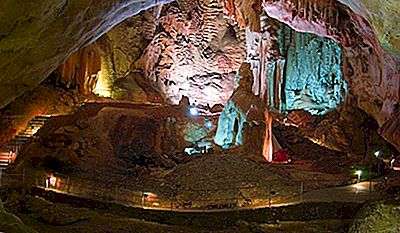
The site of the marble caves is a natural wonder of Ukraine and is located in Crimea, on the low plateau of the Chatyr-Dag mountain range. It is one of the most visited caves in Europe and is considered one of the most beautiful caves in the world by speleologists. The cave is so named because it is made of marbled limestone. The cave includes the fairy tale gallery, a path with hundreds of stalactites called the tiger path, the largest Crimean cave hall called the reconstruction hall, the palace with columns named “king” and “queen” . features.
3. Landscape park
The Dniester Valley, Ukraine.
The Dniester Canyon is a part of the Dniester Valley in Ukraine and one of the country’s seven natural wonders. The canyon extends over 250 km, from the mouth of the Zolota Lypa river to the mouth of the Zbruch. The maximum depth of the canyon is around 50. The Dniester canyon offers panoramic views to tourists who visit the place. It is the most picturesque region of the Dniester basin. Many rare plant species grow here. Hundreds of species of animals and birds can also be seen here. More than 10, caves and karst caves are present here. The impressive waterfalls that run along thick bryophytes also enhance the beauty of the landscape. Thousands of tourists are drawn to the Dniester canyon every year. Skydiving is one of the most popular tourist activities. All-Ukrainian and international skydiving competitions take place here twice a year.
2. Landscape park
Mykolaiv Oblast, Ukraine.
A regional landscape park, the granite steppe of Buh, located in the Mykolaiv Oblast in Ukraine, is one of the seven natural wonders of Ukraine. The park encompasses the valley of the Buh Sud river and the valleys of its tributaries. The entire park, established in 1994, covers an area of 6,267 ha. The park is famous for its rich biodiversity. Of the 9,000 insect species, 300 vertebrate species and 900 vascular plant species live in the granite steppes of Buh.
1. Falz-Fein Biosphere Reserve
A nature reserve in the Falz-Fein biosphere reserve.
Askania-Nova is a famous biosphere reserve located in the Kherson oblast in Ukraine. The reserve includes a botanical garden, a zoological park and a sanctuary of virgin steppe. The reserve was established in 1898 around the Askania-Nova German colony. It occupies a total area of 825 km2. The fauna includes local and exotic species. Ostriches, wild horses, zebras, llamas, bison and antelopes have been introduced here. Out of 200, plant species collected from different parts of the world also grow here. The most notable feature of the Askania-Nova nature reserve is that it is home to the largest captive group of Przewalski horses in the world.
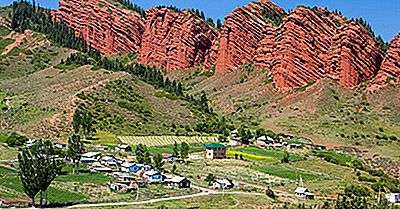
The Jeti-Ögüz is a geological formation of sandstone rocks in Kyrgyzstan. The name Jeti-Ögüz is translated as “seven bulls”. The rock formation was named so because it looks like seven bulls. Since 1975, the government has protected the rock formation and the natural environment that surrounds it in order to conserve the geological formations of Kyrgyzstan.
The legend of the rock formation
A legend in Kyrgyzstan tells the story of a Khan who stole another Khan’s wife. The man whose wife was taken visited a wise man to ask him how he could avenge the actions of the other Khan. The Wiseman was initially reluctant but gave in to the demands. He told the man to kill his wife and submit the body to the Khan. His advice was that it was more honorable to lose a dead woman than a living woman. The khan silently made his plans and decided to kill his wife during his funeral. When the seventh bull was slaughtered, he stabbed her in the heart. Blood gushed and transported the seven dead bulls to the valley before coming to rest. The bulls turned into red rocks. Just before reaching the rock formation, there is another rock that looks like a heart. According to one story, it was the broken heart of a woman who died after her two suitors killed themselves. Geologists suggest rocks formed due to erosion
Site visit
The best time to visit the rocks is during the summer when the sky is clear and the roads are passable. Besides the rock formation, it is also possible to visit the Jeti-Ögüz waterfall and the village. Visitors can either camp in the Jeti-Ögüz station or live in makeshift tents. The terrain is suitable for cycling and horse riding. The natural environment offers the opportunity to relax, away from the hustle and bustle of city life. You can go around alone or with family or group and participate in activities such as photography.
The Middle East is a region located in western Asia and extends into Egypt. The region is made up of 17 countries. The term “Middle East” is used to describe the countries that form West Asia and extend to Africa. The region has large ethnic groups. The Middle East has a population of around X million people, including millions of Arab immigrants. The region experienced explosive population growth between 411 and 13, with the population increasing from 1950 million to over 2000 million. However, the region has experienced slow population growth due to the decline in the number of children born to a woman in her lifetime. Here are the most populous countries in the Middle East.
10. Palestine
In 2014, the Central Office of Palestine reported that the population of Palestine averaged 4.6 million people, or 1.14% of the population in the Middle East. The country’s population density is on average greater than the population 730 per square kilometer. The Palestinian population is one of the most dynamic in the world at a rate of 2.92% per year and is expected to double by 2040.
9. Jordan
As of 2012, Jordan has approximately X million people, or 6.8% of the population of the Middle East. About 1.67% of the population is made up of non-citizens and consists mainly of refugees and illegal immigrants from Palestine. The Jordanian population is growing at a relative rate of 30% per year and is expected to double by 2.75. The majority of the Jordanian population prefers urban to rural areas.
8 Israel
In 2015, the population of Israel was around 8.3 million, with Jews representing over 74% of the population. The population of Israel is approximately 2% of the population of the Middle East. The majority of the population lives in Gush Dan, Jerusalem and Haifa. The population of Israel is increasing by 1.9% each year and is expected to double by 2055.
7. United Arab Emirates
The population of the United Arab Emirates is very diverse. As of 2010, the United Arab Emirates had approximately X million people, of which only 10 were UAE nationals. The majority of the population is made up of immigrants. The population of the United Arab Emirates represents 12% of the population of the Middle East and is increasing at an annual rate of 2.18%.
6. Syria
The population of Syria is estimated at 23.2 million people as of 2011, including refugees from Palestine. The Syrian population represents 5.68% of the total population of the Middle East. The population density of the country is around 99 per square kilometer. The Syrian population is increasing by 2.45% each year and is expected to double with 2040.
5. Saudi Arabia
The population of Saudi Arabia is approximately 31.5 million as of 2015, or 7.7% of the total population of the Middle East. The country has experienced rapid population growth since 1950 when it had only millions of 3. The population of Saudi Arabia includes X million dollars for X million non-national migrants. The population is growing at 5% per year and is expected to double by 10.
4. Yemen
As of 2012, Yemen has a population of 26.7 million, or 6.5% of the total population of the Middle East. The population of Yemen is relatively young with more than 45% in the 15s and only 2.8% above the age of 65. The population increases to 2.95% and is expected to double with 2040. Yemen has one of the rates highest total fertility rates in the world, more than 4.4 per woman.
3. Iraq
As of 2016, Iraq has approximately X million inhabitants, or 37.2% of the total population of the Middle East. The majority of the population is Arab and represents more than 8.9% followed by Sams. The Iraqi population is increasing at a relative rate of 80% and is expected to double by 2.23. Iraq has a young population with an average age of 2040
2. turkey
Turkey has about X million inhabitants, or 78.2% of the population of the Middle East. The majority of the Turkish population lives in urban areas. The country’s population growth is estimated at 19% per year and the population is expected to double by 1.35. The average population density of Turkey is 2,066 per kilometer, the majority of the population (97%) being aged between 67 and 15.
1. Iran
Iran is an ethnically diverse country with ethnic groups united by a shared Iranian nationality. Iran experienced a rapid increase in its population at the end of the 12th century, going from 20 million in 19 to more than 1950 million in 70. As of 2009, Iran has a population of around X million people , i.e. 2017% of the total population of the Middle East.
With more than 194 countries in the world, it is easy to think that the word “country” is equivalent to a vast area with a large number of people. Some nations are so small that the cities of other nations are giant compared to them. Mainly present in Europe, the Caribbean and the Pacific, many countries of the world have an area less than 400. The 10 smallest countries in the world cover a total area of 1491.4 km² smaller than the area of the city of Houston, in Texas (1625.2 km²).
With their own governments and their own culture, these small countries are among the richest, most remote and most intense in the world. Let’s take a look at the 10 smallest countries in the world:
10. Malta – 316 km²
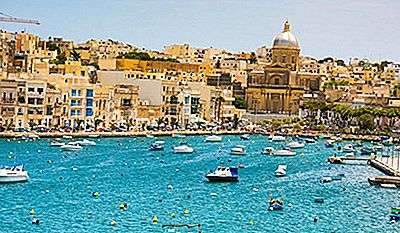
Malta is another island country located in the Mediterranean Sea. The Republic of Malta is actually made up of three islands: Gozo, Comino and Malta, the largest of the three. This small country has a population of over 450,000, making it one of the most densely populated countries in the world. Another popular tourist destination, foreigners from all over the world come to Malta for its sunny weather, attractive beaches, rich history and lively nightlife. Malta is made up of 116 square kilometers, making it tenth among the smallest countries in the world.
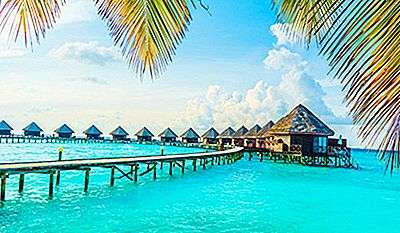
A popular tourist destination in the Indian Ocean, the Maldives is the smallest country in Asia in terms of area and population. There are more than 1,192 coral islands in the Maldives, spread over 90,000 km2, making it one of the most dispersed countries in the world. The country was once the colony of many empires, the Portuguese, the Dutch and the British, but became an independent country in 1965. Today, the Maldives has a vibrant tourist economy due to its famous white sandy beaches and its crystal clear waters. The Maldives is the ninth smallest country in the world with a land area that measures a total of 300 square kilo-meters.
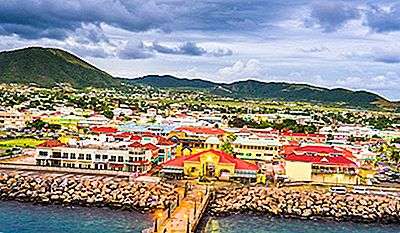
The Mother Colony of the Antilles, these 2 islands in the Caribbean were among the first islands to be occupied by Europeans. They occupy a total of 261 square kilometers, making Saint Kitts and Nevis the eighth smallest country in the world. Its economy depends on tourism, agriculture and small manufacturing industries. The islands also offer fantastic dive sites due to the abundant marine life. A large sugar exporter for centuries, the large plantations are now beautiful properties that have been converted into hotels and resorts.
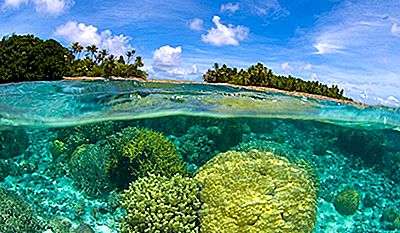
The Marshall Islands, officially called the Republic of the Marshal Islands, is an island country located in the Pacific Ocean, roughly halfway between the U.S. state of Hawaii and the Australian mainland. It is considered to be part of Micronesia. The area surrounding the islands is incredibly rich in biodiversity and includes 800 fish species as well as 160 corals. The region around the Marshall Islands is also home to a number of wrecks. With 181 square kilo-meters, the Marshall Islands is the seventh smallest country in the world.
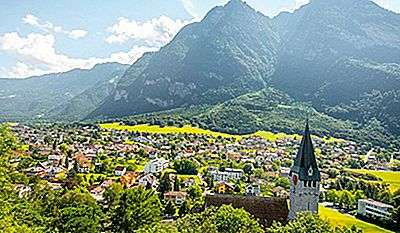
German-speaking country, it is the only nation in the world to be completely located in the Alps. Located between Switzerland and Austria, Liechtenstein is the richest country in the world in terms of GDP per capita, with the lowest unemployment rate (1.5%). Entering the country is a bit difficult, as there is no airport within its borders. Visitors must cross Zurich Airport in Switzerland to reach this Alpine country still ruled by a prince! With its 160 square kilometers, Liechtenstein is the sixth smallest country in the world.
5. San Marino – 61 km²
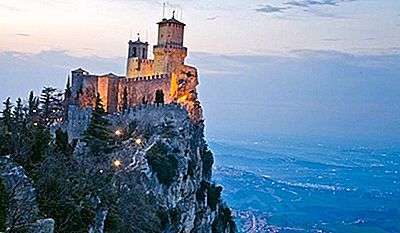
Surrounded entirely by Italy, San Marino is also known as the most serene Republic of San Marino. With a total of 61 square kilometers, it is the fifth smallest country in the world. it claims to be the oldest sovereign state in the world and is also one of the richest in terms of GDP per capita. The smallest country in Europe, 3, has only a population of 30,000, with one of the lowest unemployment rates in the world.
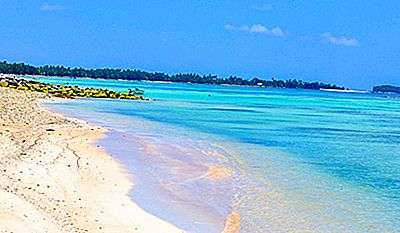
Formerly known as the Ellice Islands, Tuvalu is located in the Pacific Ocean northeast of Australia. With a total of 26 square kilometers, Tuvalu is the fourth smallest country in the world. There are approximately 10,000 inhabitants, with 8 km of roads and a single hospital on the main island. The country was once British territory but became independent in 1978. Due to the geographic location of the country, tourism is not very important. In 2010, fewer than 2,000 visitors came to Tuvalu, 65% of them coming for business.
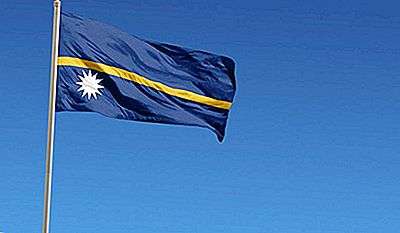
An island nation located east of Australia, Nauru is the smallest island country in the world. It was known in the 1980s for its booming phosphate mining, but is now a quiet island off the tourist radar. Formerly known as Pleasant Island, its phosphate resources are now depleted, which has led to a national unemployment rate of 90%, the rest of the 10 being used by the government. Nauru is also known as the most obese country in the world, 97% of its men and 93% of obese or overweight women. For this reason, Nauru is also home to the highest level of type 2 diabetes in the world, with 40% of its population suffering from this disease. Nauru has a total of 21 square kilometers, making it the third smallest country in the world.
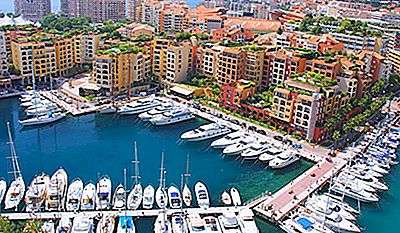
Located on the French Riviera, Monaco is home to the largest number of millionaires and billionaires in the world per inhabitant. It is also the second smallest country in the world, with only square kilometers of total area. Known for its games industry and luxury goods and services, Monaco is the favorite playground of the rich and famous. Bordered by France on three sides and on one side by the Mediterranean Sea, the inhabitants of Monaco are mainly French-speaking. With a population of more than 2, Monaco is the most densely populated country in the world. The most popular annual event is the Formula 36,000 race, with tracks running through the city streets.
1. Vatican City – 0.44 km²
Which is the Smallest Country in the World ?
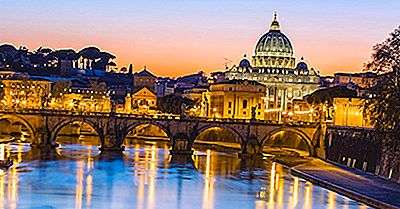
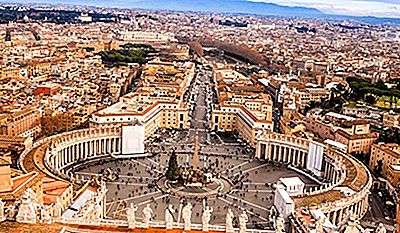
The smallest country in the world is the Vatican, also known as the Holy See. With only 0.44 square kilometers, the Vatican City is the smallest country in the world. This country is part of the Italian capital of Rome and is the center of the Catholic Church. It is also home to the largest church in the world – St. Peter’s Basilica, which houses some of the most important works of art from the Renaissance such as the Pieta and the creation of Adam. Its revenues come from the voluntary contributions of more than X billion members of the Roman Catholic Church worldwide. The rest of its economy comes from the sale of postage stamps, tourist souvenirs and entrance fees to museums.
List of smallest countries in the world
Rank
Country
Area (km2)
Sector (sq mi)
1
Vatican City
0.44
0.17
2
Monaco
2.02
0.78
3
nauru
21
8.1
4
tuvalu
26
10
5
San Marino
61
24
6
Liechtenstein
160
52
7
Marshall Islands
181
70
8
Saint Kitts and Nevis
261
101
9
Maldives
298
115
10
Malta
316
122
11
Grenade
344
133
12
Saint Vincent and the Grenadines
389
150
13
Barbados
431
166
14
Antigua and Barbuda
443
171
15
Seychelles
455
176
16
Palau
459
177
17
Andorra
468
181
18
St. LUCIA
606
234
19
Singapore
687
265
20
Micronesia
702
271
21
tonga
717
277
22
Dominica
751
290
23
Bahrain
765
295
24
Kiribati
811
313
25
Sao Tome
964
372
26
Comoros
1.862
719
27
Mauritius
2,030
784
28
Luxembourg
2,586
999
29
Samoa
2,821
1.089
30
Green cap
4.033
1.557
31
Trinidad and Tobago
5.128
1,980
32
Brunei
5.265
2,033
33
Cyprus
9.241
3,568
34
Gambia
10,000
3,861
35
Bahamas
10.010
3.865
36
Lebanon
10.230
3,950
37
Jamaica
10,831
4,182
38
Qatar
11,586
4.473
39
vanuatu
12,189
4.706
40
Montenegro
13,452
5,194
41
East Timor
14.874
5.743
42
Swaziland
17,204
6.643
43
Kuwait
17,818
6.880
44
Fiji
18,274
7.056
45
Slovenia
20,151
7.780
46
Israel
20,330
7.850
47
El Salvador
20,721
8,000
48
Belize
22.806
8.805
49
Djibouti
23,180
8.041
50
Macedonia
25,433
9,820
Please Share the info in your circle for an appreciation , thanks!
The Soviet Union (full name: Union of Soviet Socialist Republics or USSR) was a socialist state created by Vladimir Lenin in 1922. During its existence, the USSR was the largest country in the world. The USSR collapsed in 1991 and left the 15 independent states we know today in their place:
Armenia
Moldova
Estonia
Latvia
Lithuania
Georgia
Azerbaijan
Tajikistan
Kyrgyzstan
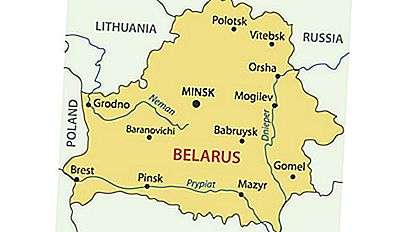
Belarus
Uzbekistan
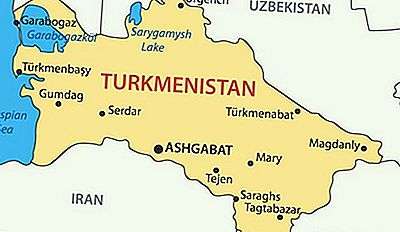
Turkmenistan
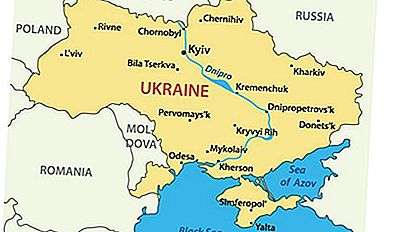
Ukraine
Kazakhstan
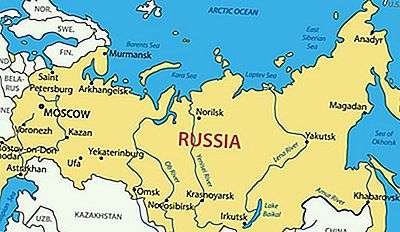
Russia
15. Armenia
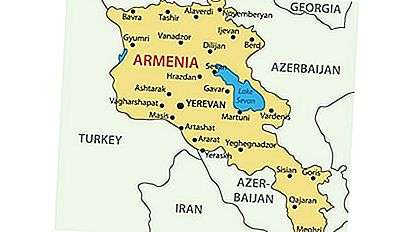
With 11,500 square miles, the Republic of Armenia was commonly known as Soviet Armenia in the days of the USSR. The country was part of the constituent republics of the Soviet Union in December 1922. Soviet Armenia was created in 1920 at a time when the Soviets took control of the first Republic of Armenia. The country is sometimes referred to as the second Republic of Armenia, the first being short-lived. After the declaration of its sovereignty, the country’s title changed to the Republic of Armenia on August 23, 1990. However, Armenia remained part of the Soviet Union until September 21, 1991 when the country was officially proclaimed independent state. Since its independence, Armenia has experienced significant development.
14. Moldova
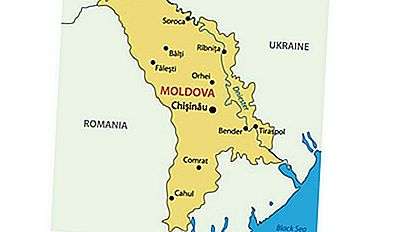
Officially known as the Moldavian Soviet Socialist Republic or MSSR, Moldova was among the 15 republics of the Soviet Union from 1940 to 1991. Soviet Moldova was created on August 2, 1940 from a region annexed to Romania known as Bessarabia and parts of an autonomous state within the Ukrainian SSR. Moldova was declared a sovereign state on June 23, 1990, but it was officially known as the Soviet Socialist Republic of Moldova until May 23, 1991. Although the country remains a constituent republic of USSR, it was renamed Republic of Moldova. After independence, Moldova was hit by the civil war.
13 Estonia
Estonia is one of the three Baltic states in north-eastern Europe. Formerly known as the Estonian Soviet Socialist Republic or ESSR, the region was a constituent republic of the Soviet Union. Initially, the ESSR was formed on the territory of the Republic of Estonia on 21,1940 in July following the invasion of the Soviet troop in June, 17, 1940. The country was also created following the authorization of a puppet government approved by the Soviet Union. On August 9, 1940, ESSR was finally integrated into the Soviet Union. Nazi Germany occupied the territory between 1941 and 1944. In May 8, 1990, ESSR was renamed the Republic of Estonia and its independence was recognized by the USSR on September 12, 6, 1991. In August 1994,
12. Latvia
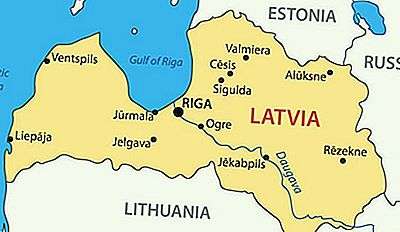
The Republic of Latvia is another Baltic state located in northern Europe. The country is one of the constituent republics of the former Soviet Union, also known as Soviet Latvia or Latvia. Soviet Latvia was created during the Second World War on July 21, 1940 as a puppet state of the Soviet Union. Both the European community and the United States refused to recognize the annexation of Latvia to the USSR on August 5, 1940. Following the disappearance of the Soviet Union, the country regained its official name of Republic of Latvia in full independence in August, 21, 1991. It was fully recognized as an independent state on September 6, 1991 by the Soviet Union. The main objectives of the country in the
11. Lithuania
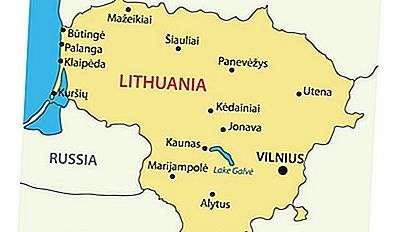
The Republic of Lithuania is one of the three Baltic states located in Northern Europe and covers approximately square kilometers. The country existed as a republic of the Soviet Union from 25,000 to 1940 and was known as Soviet Lithuania or the Lithuanian SSR. Soviet Lithuania was created in July 1990, 21. German Nazis occupied the territory between 1940 and 1941 and the territory was then re-occupied by the Soviet Union for the next 1944 years. However, the United States and most European countries have continued to recognize Lithuania as an independent sovereign nation. Soviet Lithuania declared itself a sovereign state on 50, 18 in May and despite the authorities of the Soviet Union which deemed the action illegal, the country was restored and declared independent.
10. Georgia
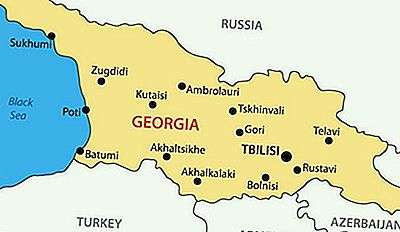
The Republic of Georgia is at the crossroads of Eastern Europe and Western Asia. Formerly known as Soviet Georgia or Georgia SSR, the region covers an area of 27,000 square miles. Soviet Georgia was one of the constituent republics of the Soviet Union admitted to the USSR in December 30, 1922. In November 18, 1989 declared its independence from the Soviet Union and in November 14 , 1990, became the Republic of Georgia. After independence, the country had to face the economic and civil crisis through most of the 1990s.
9. Azerbaijan
The Republic of Azerbaijan is a country located at the crossroads of south-eastern Europe and south-west Asia. The country was previously known as the Soviet Azerbaijan or the Azerbaijan SSR. Azerbaijan The SSR was renamed 19 in November, 1990, in the Republic of Azerbaijan and remained in the Soviet Union until its full independence in 1991. After the adoption of the country’s new constitution in 1995, the Constitution of the SSR of Azerbaijan has ceased to exist. Following independence, Azerbaijan became a member state of the Non-Aligned Movement and was elected by the General Assembly of the United Nations to become a member of the Human Rights Council in May, 9, 2006 .
8. Tajikistan
The Republic of Tajikistan is a landlocked and mountainous country located in Central Asia. Tajikistan was known as Soviet Tajikistan or Tajik RSS. Soviet Tajikistan existed between 1929 and 1991. From 1927 to 1934, collective farming and the accelerated expansion of cotton production took place in particular in the southern region of the territory. Other small-scale developments have taken place over time, which has improved irrigation infrastructure. The territory was renamed Republic of Tajikistan on August 31, 1991 and it declared independence on September 9, 1991. Tajikistan was recognized as an independent state by the Soviet Union in December 26, 1991. After its independence, the country fell into the civil war involving different factions. As a result, more than half a million residents have fled the country due to increased poverty and persecution.
7. Kyrgyzstan
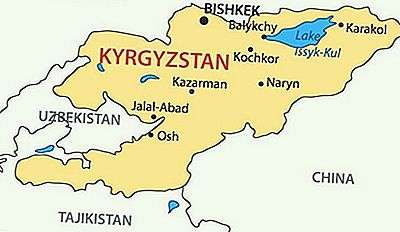
With its square kilometers, Kyrgyzstan is a mountainous and landlocked country. Initially, the Soviet Union established its power in the region in 77,000. However, Soviet Kyrgyzstan was created in December 1919, 5. The name of the territory was changed to the Republic of Kyrgyzstan by a vote of the Supreme Soviet in December 1936. In December 1990, 25, in Kyrgyzstan, acceded to the independence and 1991, 5, took the name of Kyrgyz Republic. After independence, the country joined the Organization for Security and Cooperation in Europe (OSCE) and the United Nations. For most of the new millennium, the country experienced immense political instability.
6. Belarus
In 1919, the Belarus region which was under Russian domination was created and was known as Soviet Belarus, Soviet Belarus or BSSR. However, Lithuanian SSR in Belarus quickly emerged, causing competition between the Soviet Union and Poland. The western region of modern Belarus remained in Poland, but was later annexed by the BSSR, while the Byelorussian SSR became a founding member of the USSR. Between the 1920s and the 1930s, the Soviet Union introduced economic and agricultural policies to the territory which resulted in political repression and famine. A mass grave for the victims who were executed between 1937 and 1941 was discovered near Minsk. The act was linked to the Soviet Union,
5. Uzbekistan
The Republic of Uzbekistan is one of the most doubly landlocked countries in the world and is located in Central Asia. Soviet Uzbekistan was created on October 27, 1924. Between 1941 and 1945, approximately 100 million Uzbekistanis fought against Nazi Germany alongside the Red Army during the Second World War. Uzbekistan proclaimed itself a sovereign state on 1.5, 20 in June and declared its independence in August, 1990, 31. After the country’s independence, Uzbekistan held its first election. At present, Uzbekistan has the second highest rate of modern slavery in the world at 1991%.
4. Turkmenistan
Turkmenistan, formerly known as Turkmenia, covers an area of 190,000 square miles. Turkmenistan was annexed to the Russian Empire and was later established as one of the constituent republics of the Soviet Union in 1924. The Soviet Union reorganized agricultural practices, thereby destroying the way of life of nomads in the country. His political life was controlled by Moscow. On the economic level, Turkmenistan played its role of delegate within the USSR. However, the country declared sovereignty in 1990, but was barely ready for independence, therefore, choosing to preserve the USSR. On October 27, 1991, the country declared independence from the Soviet Union, which was recognized on December 26, 1991. Since the country’s independence from
3. Ukraine
Ukraine is a sovereign state covering an area of 233,000 square miles. The Ukrainian SSR or UkSSR was among the constituent republics of the Soviet Union and was admitted to the Soviet Union on December 30, 1922. Soviet Ukraine was the founding member of the United Nations, but the All-Union State acted as its legal representative in cases concerning other countries which were not part of the USSR. After the dissolution of Soviet society, UkSSR was renamed Ukraine and its new constitution was approved on June 28, 1996. After independence, the country retained its seat at the UN and continues to pursue allegations against the Federation of Russia before foreign courts in the hope of recovering its share of foreign property.
2. Kazakhstan
The Republic of Kazakhstan is the largest landlocked country in the world, covering an area of 1.05 million square miles. It is a transcontinental country located in Eastern Europe and north of Central Asia. Soviet Kazakhstan was established in 1936 as part of the Soviet Union. During the dissolution of the USSR, the country was the last member of the constituent republics of the Soviet Union to declare independence. After the independence of Kazakhstan, the country was ruled by Nursultan Nazarbayev. The President’s current governance has been characterized by the suppression of political opposition and human rights violations.
1. Russian Federation
With its 6.6 million square miles, the Russian Federation is the largest country in the world and is located in Eurasia. Soviet Russia and other Soviet republics formed the USSR. Russia was the largest member of the Soviet Union with more than half of the total population of the USSR. Soviet Russia has dominated the Soviet Union throughout its history which spanned the 69’s. Prior to 1991, the Soviet economy was the second largest in the world, which was then hit hard by inflation. The Soviet Union experienced political and economic upheavals in 1991, prompting the Baltic republics to disaffiliate from the union. After the dissolution of the USSR in December 25, 1991, Russia experienced a major economic crisis resulting in high death rates, low birth rates and the collapse of social services. Meanwhile, millions of Russians were affected by poverty, which fell from 1.5% to around 39 to 49%. Violent crimes, extreme corruption, criminal gangs and lawlessness characterized the 1990s in Russia.
The summer season is the perfect time to go on vacation, when the ideal weather conditions are suitable for many outdoor activities, such as hiking and car tours. North American summer begins in May and ends in September, about four months of perfect weather. When choosing an ideal vacation destination this summer, consider an excellent offer from the Canadian government to celebrate the country’s 150th anniversary. Canada provides a package called “The 2017 Discovery Pass” which grants tourists free entry to all of Canada’s national parks, excluding all provincial parks. The one-of-a-kind offer offers visitors a wide range of scenic spots to choose from.
10. Banff National Park
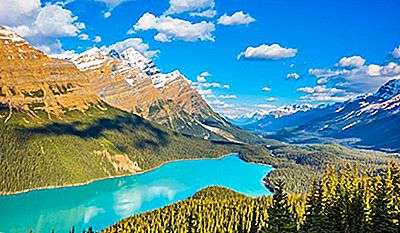
Peyto Lake, Banff National Park.
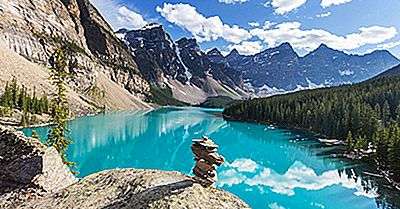
Established in 1885, Banff National Park is Canada’s oldest national park. It is located in western Alberta, near the border with British Columbia. The park covers square kilometers of magnificent rocky mountain landscapes. Visitors are drawn to the pristine landscape of the park, including beautiful clear-water lakes such as Lake Louise and Moraine Lake, as well as the country’s largest network of caves, the Caves of Castleguard.
Banff National Park is located around a 2.5 walk from Calgary International Airport.
9. Grasslands National Park
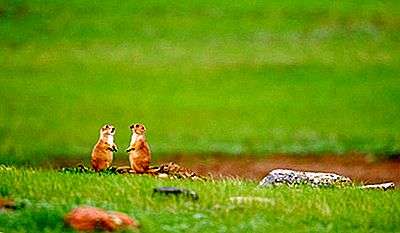
Prairie dogs in Grasslands National Park.
Grasslands National Park is one of two national parks in the Prairie Province of Saskatchewan (the other being Prince Albert National Park). The park covers an area of 350 square miles and is a popular tourist destination with more than 11,000 tourists visiting the park in 2016 alone. The park is reputed to be the only park in Canada where black-tailed prairie dogs live. Visitors can enjoy the beautiful meadow with herds of pronghorns.
The nearest major airport to Grasslands National Park is about an hour’s drive from Regina International Airport.
8. Thousand Islands National Park
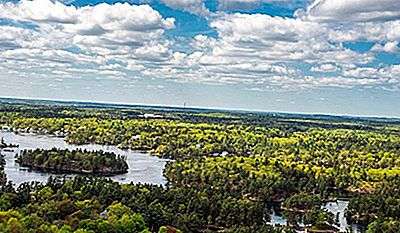
The thousand lush islands.
Thousand Islands National Park is one of the smallest national parks in Canada, with an area of 9.4 square miles. However, despite its small size, it is made up of islets 26 and islets 90 that are found in a XXX-mile section of the St. Lawrence River. It is a popular tourist destination especially for its fishing and picnic facilities, as well as for several trails where visitors can observe wild animals such as beavers, deer, raccoons and weasels. The park was created in 49.7.
Thousand Islands is just a few hours’ drive from Toronto Pearson International Airport or Ottawa International Airport.
7. Cape Breton Highlands National Park
The beautiful low mountains of Cape Breton.
Located in Nova Scotia, Cape Breton Highlands National Park is a 366 square mile national park located on Cape Breton Island. The park includes a combination of Acadian, taiga and boreal habitats that are home to unique animal and plant species found nowhere else, a fact attributed to its cool maritime climate. Visitors to the park are encouraged to sample the Cabot Trail, which offers picturesque views of the park’s wildlife and its rugged landscape. For golf enthusiasts, another flagship attraction in the park is Golf Course 18, called Highlands Links, which has been rated the country’s best public golf course by Golf magazine.
The closest airport to Cape Breton is Sydney JA Douglas McCurdy Airport.
6. Forillon National Park
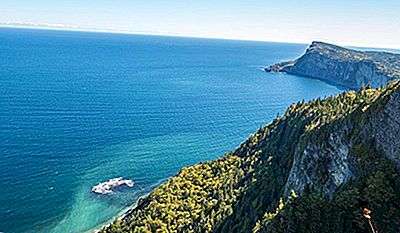
Cliffs of Forillon National Park.
Forillon National Park is located at the tip of the Gaspé Peninsula in Quebec, covering 94 square kilometers. The national park was established in 1970 and is the oldest national park in Quebec. The park offers various attractions from the sea, the steep cliffs and the lush forests. Several hiking trails are found in the park, including the five-mile Graves trail, which leads hikers through the woods and to Cap-Gaspé on a cliff that overlooks 312 feet. The park offers views of many species of animals, including spectacular views of great whales.
The nearest major airport to Forillon National Park is Michel-Pouliot Gaspé Airport.
5. Pointe-Pelée National Park
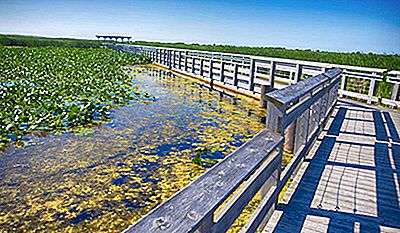
The promenade at Point Pelée.
Point Pelee National Park is a park in southwestern Ontario, on a peninsula spanning 4.3 miles to Lake Erie. Point Pelee is also famous for being the southernmost point in the country, covering 5.8 square kilometers. Pointe-Pelée National Park is located mainly in a marsh and offers canoes and kayaks on which visitors can make their way through the wetland. The park is also famous for its many species of birds, thanks to its location at the crossroads of two main migratory routes.
The closest airport to Point Pelee National Park is Windsor International Airport, approximately 45 minutes by car.
4. Fundy National Park
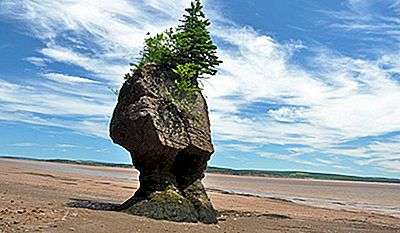
Hopewell rocks in the Bay of Fundy.
Fundy National Park is an 80-mile square park located in the Bay of Fundy in the eastern province of New Brunswick. The park has many unique attractions, including views of the world’s highest tides. At low tide in the Bay of Fundy, visitors can see several sea creatures on display on the beach. The park is one of the most picturesque in the country with 25 waterfalls and vast forests where visitors can admire the flora and fauna of the park.
Fundy National Park is the closest to Saint John Airport.
3. Gros Morne National Park
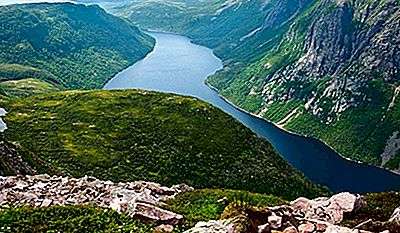
Gros Morne dramatic landscape.
Gros Morne National Park is a 697-square-mile national park located in the easternmost province of Newfoundland and Labrador. Gros Morne National Park is named Gros Morne, a 2,644 foot mountain located in the park and a member of the Long Range Mountains. Gros Morne National Park was designated a UNESCO World Heritage Site in 1987 because of its geological history and its unique offer of landscapes. The park’s mountain ranges offer perfect hiking trails, including the 10-mile trail above Gros-Morne Mountain. Lucky visitors can also see the park’s resident animals, including arctic foxes, red squirrels and many species of birds.
The closest airports to Gros Morne are Deer Lake Airport at Corner Brook and Stephenville International Airport at Stephenville.
2. Pacific Rim National Park Reserve
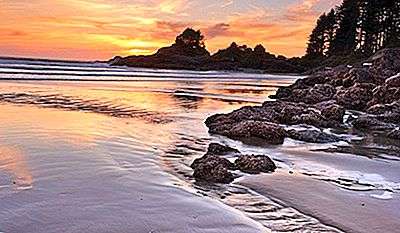
The Canadian Pacific Coast.
Pacific Rim National Park Reserve is a national park reserve located on the coast of British Columbia. The national park reserve was established in 1970 and is the oldest of its kind in the country. The 197-mile square park consists of Long Beach, the West Coast Trail and the Broken Group Islands. Among the three regions, Long Beach is the most popular because of its accessibility and its large beach. Long Beach also hosts several campsites as well as many natural trails through the temperate rain forest. The Broken Group Islands are another key attraction on the Pacific coast and are made up of 100 small islands located in Barkley Sound. It is a popular destination for kayakers and surfers.
Victoria International is the closest airport to the Pacific Rim National Park Reserve.
1. Jasper National Park
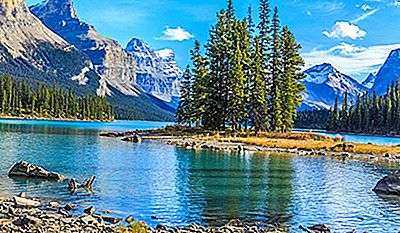
Maligne Lake, Jasper National Park.
Jasper National Park is a 4,200-square-mile national park located west of Alberta, Canada. The national park is famous for its mountainous landscape, including Mount Columbia, which is the highest peak in Alberta. The large forest is home to many animal species that visitors can get a chance to see, including grizzly bears, elk, coyotes and golden eagles. The Columbia Icefield, the largest glacier in the Rockies, is another flagship attraction located on the road between Banff National Park and Jasper. The closest airport to Jasper National Park is Edmonton International.
Several rankings have been made in the past in order to recruit the “Top 10 Beaches In The World”. It is a huge and difficult task and the beaches have been classified according to different criteria such as those which offer the best landscapes, those which have the most activities, the best beaches, the most secret beaches, etc. rank “Top 10 Beaches In The World” based on their uniqueness. We mention here the beaches which are not parallel on the other beaches of the world. The ranges are enlisted below:
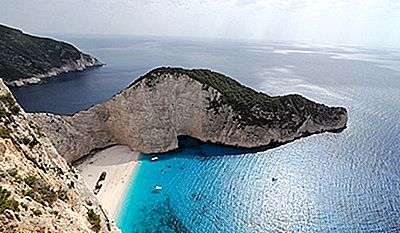
10. Smuggler’s Cove, Zakynthos, Greece
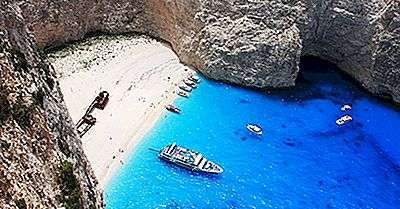
A cove exposed on the coast of Zakynthos in the Ionian Islands of Greece, Navagio Beach, also known as “Smugglers Cove”, resembles a landscape taken from a book of fairy tales. Interesting story.The name Smuggler’s Cove is derived not from the hidden location of the beach, but from a ship believed to belong to a group of smugglers who is buried in the sandy dunes of the beach. On October 2, 1980, the stormy, poor weather Visibility forced freight carrier to call MV Panagiotis to run aground near creek Some claim ship smuggled cigarettes, wine and even women In addition to this ship , Smuggler’s Cove features limestone cliffs and sandy beaches.
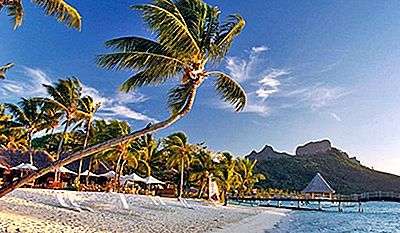
9. Bora Bora, French Polynesia
When it comes to the most beautiful tropical beaches in the world, the beaches of Bora Bora are hard to compete with. Bora Bora is the 29.3 square island of French Polynesia. The island is surrounded by a lagoon and a coral reef and in the center, the remains of an extinct volcano. The luxury resorts are located close to the beaches of Bora Bora, most with their own private beaches. The white sandy beaches offer lots of sunshine and are dotted with rows of coconut palms.
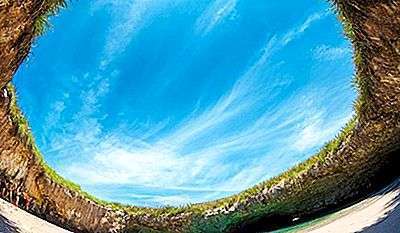
8. Playa del Amor (hidden beach), Mexico –
An ideal beach for those seeking solitude, thrill and mystery, Playa del Amor, nicknamed the “hidden beach” in Mexico, is the ideal place. The beach is a feature of the Marieta Islands at the mouth of Banderas Bay. According to visitors, the beach seems to be part of a fantastic novel with its white sand cave bathed by the blue waters of the Pacific Ocean. The island on which Playa del Amor is located is part of an archipelago created by the sediments deposited by the eruption of an underwater volcano. Some believe that the hole in the rock that led to the formation of the hidden beach was created by episodes of deliberate attacks during military tests sanctioned by the Mexican government. The hidden beach is invisible to those who see it from the outside and can only be reached by a long tunnel of water from the Pacific Ocean to the beach. Only 6 feet on the beach are above water level and tourists generally arrive on the beach by kayak or by swimming.
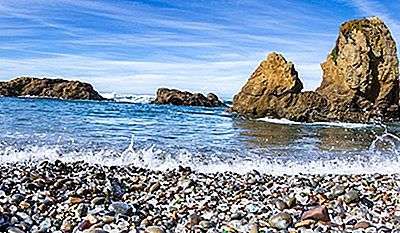
7. Glass Beach, California
A unique beach, Glass Beach, located in MacKerricher State Park in California, near Fort Bragg, is famous for its glass deposits along the beach. The site was originally used for the unloading of waste such as glass materials, vehicle parts, etc. The spill was stopped in 1967, after which clean-up operations were put in place to rid the beach of non-biodegradable materials. Nature manipulated the rest and created the beauty of waste. As the waves of the sea beat the shores, the glass and the pottery decomposed and deteriorated into particles of pebbles of different colors. Today, Glass Beach is distinguished by its unique beauty where glass pebbles shine like jewelry on the beach.
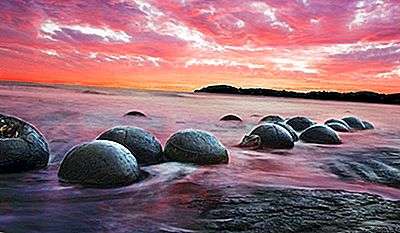
6. Koekohe Beach, New Zealand
Koekohe Beach in New Zealand is famous for its Moeraki rocks. These large, spherical rocks are located along part of Koekohe Beach on the coast of Otago, New Zealand. Local legends associate these rocks with the wreck of the Arai-te-uru, a canoe which transported the ancestors of the Ngāi Tahu people. Today, the beach and its unique rocks are one of the main tourist destinations in the world.
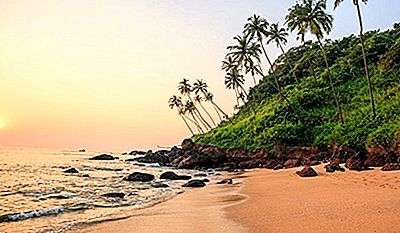
5. The beaches of Goa
Goa, India, is a tourist hotspot visited by hundreds of thousands of tourists from all over the world. The region has beaches of all kinds that can meet the needs of all types of tourists. The beaches of Goa are sunny and sandy, the greenery forming the backdrop and the blue waters of the ocean washing the shores. The beaches of Goa offer a variety of water sports, such as windsurfing, kayaking, wakeboarding, paddle boarding, water skiing, scuba diving, etc. Dolphin watching is also a popular activity here. The beaches of Goa are also famous for their lively nightlife, their many cafes and bars, beach parties, beach festivals and much more. Both luxury and affordable hotels are available in the area allowing tourists from all walks of life to enjoy their stay at this coveted beach destination in India. Tourists visiting Goa can also visit the churches and convents of Goa, which are part of a UNESCO World Heritage Site.
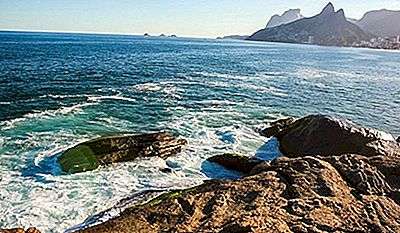
4. Arpoador, Rio de Janeiro, Brazil
For those who love city beaches that thrive on life, Arpoador Beach, Rio de Janeiro, Brazil, is definitely the place to be. Arpoador is very popular as a surf spot in the city since the rock outcrop acts as stable stability breakers that are 7 to 8 feet. In the height of summer, the beach thrives with people watching the sunset the sun setting on the horizon amid the cheers of the crowd. The beach is also ideal for long walks in the sea breeze. You can stop at the various cafes and restaurants by the beach for a coffee or a quick snack during these walks. The beach is well lit after sunset and is known for its vibrant nightlife, beach parties, and other fun activities. For all these reasons, the beach is mentioned here in our list of “10 Beaches in the World”.
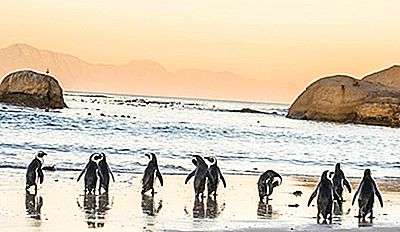
3. Boulders Beach, South Africa
Located near Cape Point, Cape Town, South Africa, Boulders Beach is a sheltered beach with coves between massive blocks of granite. The beach is part of the Table Mountain National Park and is famous for its colony of African penguins who settled here in 1982. The beach is a favorite destination for wildlife lovers and bird watchers. From just two penguins in 1982, the colony has grown to around 3,000. Visitors to the beach are allowed to observe penguins with the help of a walk that takes them a few meters from the birds without disturbing them. However, the permit is not granted to land on the beach with the penguins, although visitors can enjoy beach activities on the adjacent beaches.
2. The Baths, British Virgin Islands
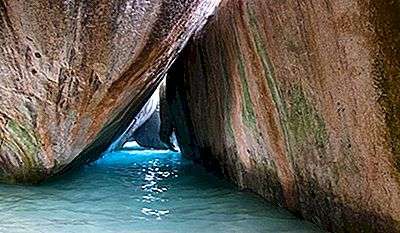
A beach with a unique landscape, the Baths are located on the Virgin Gorda Islands of the British Virgin Islands. The region has unique geological formations and is one of the largest tourist destinations in the region. The reliefs of the region are the result of past volcanic activity and weathering. Here, blocks of granite remain scattered along the land, resulting from active weathering activities for the geological ages of the region. The beach is full of tidal pools, archers, panoramic caves, tunnels and more interesting reliefs. The area is designated as a national park due to the extreme geological significance of the region. Swimming and snorkeling are popular activities here.
1. Beach of the cathedrals, Spain
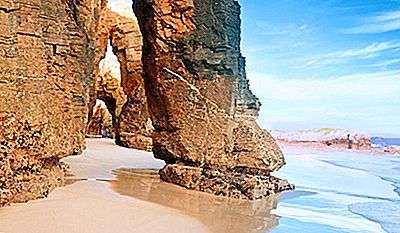
The Spanish beach, As Catedrais Beach, also known as Praia de Augas Santas or the “sacred water beach”, is a beach to visit for those looking to discover the wonders of the breathtaking world. The beach is located in the region’s Ribadeo municipality. The beach offers a spectacular view with arches and natural caves visible only at low tide. During high tide, the beach is also accessible for swimming. At low tide, the beach of the cathedrals is a place that inspires wonder and you can walk along the magnificent sea caves and majestic cliffs. Caves come in various forms, ranging from small cracks in the rocks to massive openings. Corridors of sand between boulders, large rock arches,
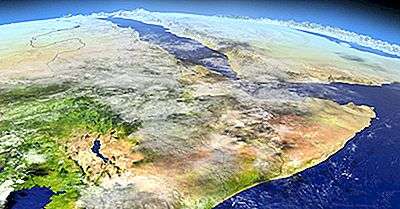
The Dervish State was a territory established at the beginning of the 20 th century and lasted between 1988-1920. The state was established by a Muslim religious leader known as Mohammed Abdullah Hassan. The occupants of the state were called Dervishes. Mohammed gathered soldiers across the Horn of Africa, the present Somali country. It led the state to resist Europeans who wanted to invade, conquer and colonize Africans.
Mohammed Abdulla Hassan
Mohammed Abdulla Hassan was a prominent Islamic sheikh who studied and practiced the Koran. He was born in Ogadeen. Although he started out humbly as a nomadic herd boy, he rose to the head of a powerful army with his management and speech skills. He was also a great mobilizer. He was often called “the father of a nation”, although the British called him a mad mullah.
The economic activity of the dervish
Robust business activity took place in Dervish State. The main activity consisted in importing firearms, horses and material used to build houses and fortresses. This has been demonstrated by the many buildings and fortresses in this part of Africa. They also traded cattle with port cities such as Las Khorey.
Well organized defense forces
Dervish State soldiers had superior weapons which enabled them to resist external aggressors. The army was divided into seven units of 1,000 to 4,000 strong men, each under a commander. Most of the soldiers came from nomadic pastors. Before embarking on the war, they performed a dance called “Dhaato” which motivated and inspired the soldiers. Notably, there are four cases where the Dervishes retaliated and expelled the British soldiers. In 1900, they were also able to recover cattle stolen by the Ethiopians, gaining authority in the Ogaden. The state had a central city with permanent military fortresses purpose-built to defend the territory from the attackers. Such a military stronghold was built in Taleh. They also built high walls, the most remarkable being “Silsilat”. Inside the city, Mohammed lived with his family and controlled the state from there.
The impact of the dervish state
The legacy can be seen long after the state has ceased to exist, as evidenced by the many fortresses, castles and other artefacts preserved in the archives and the museum. These have been well preserved under President Mohammed Said Barre. Poetry and literature, linked to both war and peace, have also borrowed a great deal from state culture and are taught in educational institutions with many books written on the state of Dervish. Many films have also been developed to commemorate this state. The Dervish State was one of the largest states that ever existed. We will remember his resistance to external attacks, his well organized army and his impact on current Somali culture. However, the State ended in 1920 after being bombed by the British. Mohammed escaped with remains of his family and died later in 1921.