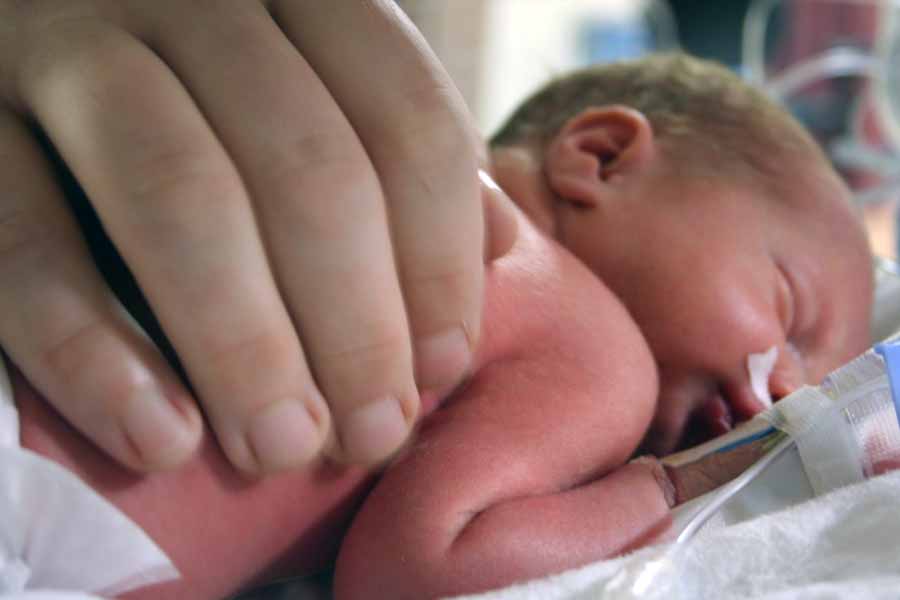
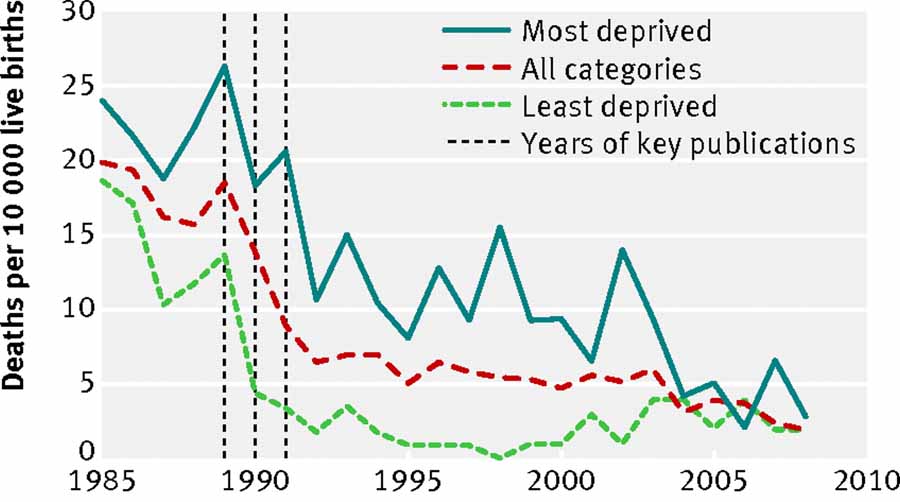
At present mostly discussed news on different TV channels and other media is the largest number of early deaths all over the world, which is known as Infant mortality. It is the early death of children before reaching the age of one to five years; it may be due to the number of diseases such as weakness at birth, and diarrhea and many other factors are involved which are increasing its rate. This problem is not faced by only a few countries but there are several countries having the highest children mortality rate which are increasing the number of deaths per year. A survey reported more than 10 million children died before reaching their fifth birthday.From the last couple of years its rates had increased up-to a dangerous level following image is indicating the number of deaths per 1000 live births from 1985 to 2010.
The Central Intelligence agency prepared a report showing the list of different countries of the world by the number of deaths per one thousand live births, different countries have different infant mortality rate, following is a list of top ten countries with lowest infant mortality rates in the world.
List of top ten countries with lowest infant mortality rate in the world
Rank
Country
Deaths/1000 Births
1.
Monaco
1.81
2.
Japan
2.17
3.
Bermuda
2.47
4.
Singapore
2.59
5.
Sweden
2.73
6.
Hong Kong
2.89
7.
Macau
3.15
8.
Iceland
3.17
9.
Italy
3.33
10.
France
3.34
Question of the day
Q: What country has the lowest death rate per one thousand annually?
[box type=”tick” style=”rounded”]Ans :At present Monacohas the lowest rates as compared to the other countries in the world.[/box]
The Word life expectancy refers to the number of years a person expects to live if the mortality rate of the country remains constant and it is considered the most important measure of health which shows the expected age of an individual.Different countries have different rates, according to a recent survey it is concluded that majority of African nations have lowest expected number of years for their lives if compared to the other countries of the world.
The healthy and strongest nations live long while on the other hand poor and non-healthy nations have the highest mortality rates in the world. In this article we are going to discuss the top five countries having the highest rates around the globe. Male and female has different rates in their expected life. Good health care and diseases are different but are considered the major factors affected on the life expectancy rate.
List of Top 5 Countries with the Highest Life Expectancy Rates in the world
Rank
Country
Expected life
years
1.
Japan
82.7
2.
Switzerland
82.2
3.
Australia
81.5
4.
Italy
81.5
5.
Sweden
81.4
Question of the Day
Q: What Country has the highest Life Expectancy Rate in the world?
Ans : At present Japan is the top rated country having the highest number of expected life years for its inhabitants as compared to the other nations living on the earth.
More About Japan
Japan has a very good education sector in the world and japan is the third largest country by literacy rates in the world, information is given in my other article highest literacy rates in the world by country ranking list.
Japan is one of the advanced countries in the world in science and technology, Mobile phone is widely used telecommunication device and japan is given the 8th rank in the mobile technologyusage.
World is full of happiness as well as sorrows people are trapped into many diseases which are the major cause of sudden deaths in the country which is termed as infant mortality. Infant mortality is the death of a child having the age less than 1 year due to the several reasons which has become the major problem around the globe. According to a recent survey more than 10 million children die within the age of 5 years. Diarrhea is one of the major causes for these early deaths. So countries are trying to prevent this problem and are trying to decrease this rapidly increasing problem. Following table will help you to find the top ten countries having the largest mortality rates around the globe.
Highest Mortality Infant Rate by Country List 2013 Estimates
Rank
Country
Deaths
Per 1000 Births
1.
Afghanistan
119.41
2.
Mali
106.49
3.
Somalia
101.91
4.
Central African Republic
95.04
5.
Guinea-Bissau
92.66
6.
Chad
91.94
7.
Niger
87.98
8.
Angola
81.75
9.
Burkina Faso
78.30
10.
Malawi
76.98
Question of the Day
Q : Which Country has the Highest infant mortality rate in the world?
[box type=”tick” style=”rounded”]Ans : In accordance to CIA (central intelligence report) 2013, Afghanistan is the country with highest infant mortality rate in the world.[/box]
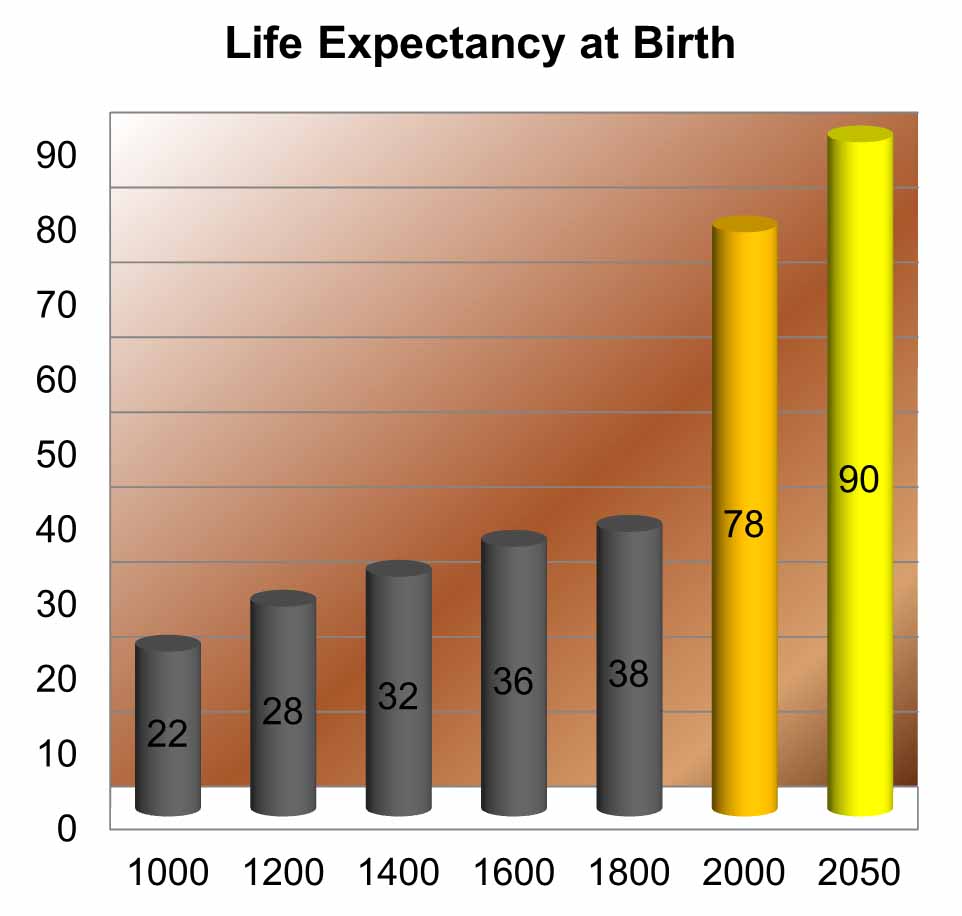
Above given image is showing some medical time limits and intelligent people like you have already understood the meaning of this image which is indicating the estimated time of the people’s life which is known as life expectancy.It is a specific estimated living time estimated by taking several assumptions such as consistency in mortality rates, good or bad healthcare systems of the countries and many other factors are involved while making a report about life expectation rates. Different nations have diverse rates some nations have highest while on the other hand some nations have the least expected years of life for the inhabitants. In this article we are going to discuss the top five nations having the least number of years for people living around the globe.
List of Top Five countries with Least Expectancy at Birth 2013 estimates
Rank
Country
No. Of Expected
Years
1.
Swaziland
31.9
2.
Angola
38.2
3.
Zambia
38.63
4.
Lesotho
40.4
5.
Mozambique
41.18
Question of the Day
Q : Which continent has the lowest life expectancy rate in the world and which country has the least expected number of years for life?
[box type=”tick” style=”rounded”]Ans :The above given table is indicating on the Africa continent to be the worst continent in view of least expected life years and the highest mortality rates in the world.[/box]
More About Africa
Africa is considered the land of black people and most of its countries are poorest in the world. According to recent estimate World’s poorest countries are located in the Africa continent.
African countries are living at the cheapest standards and African countries have lowest education level. In accordance to a recent survey majority of African countries have the education rate equal to a tear in the sea making it the least educated continent.
Wheat is widely grown maize all over the world it is the major edible commodity and after rice it is given the third rank by it consumption rate around the globe.Due to the highest rise in its imports it has become the most important staple food for the billions of people. Its production rate in the developing countries is higher than the developed countries of the world.And according to an estimate 60% of world’s entire output comes from the developing nations. Asian countries are considered the top wheat producers in the world because here 90% food need are met by wheat and rice and not only rice it is top rates producer of many other things.
Earth of China is full of natural resources therefore it is given the sixth rank in the list of top ten countries with most natural resourcesis the largest Rice producer in the world. In this article we have given you a list of top five largest wheat producers in the world.
List of Top Five Wheat Producing Nations Around the Globe
Rank
Country
Output 2013
(Million Metric Tonnes)
1.
China
125.6
2.
India
94.9
3.
United States
61.8
4.
France
40.3
5.
Russia
37.7
Question of the day
Q : Which country is considered to be the biggest producer of Wheat than other countries?
Ans : At present China is the largest producer having more than 125.6 million metric tonnes which is the major portion of world’s overall yield. China is a strong country due to its defending power, because china has the largest military which is the biggest military than other nations.
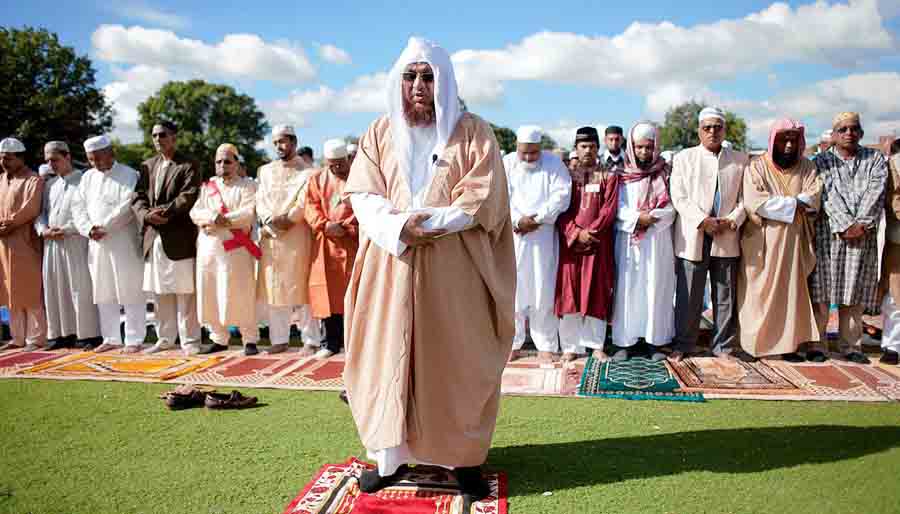
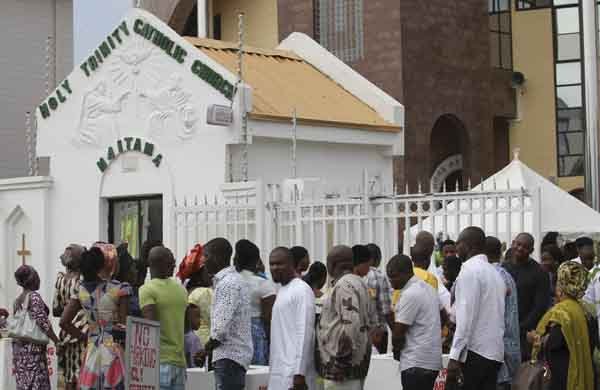
Today, there are many religions in the world varied by country and followers. Every day we observe a lot of people living in this world are turning to different religions for the sake of power and calm that is not practiced only by individuals of a particular nation, but it is being practiced almost in almost all the countries in the world. What is the most religious country in the world or which country has the most religious people it cannot be assumed without proper information. So we have prepared a list of Top ten countries that are considered the most religious nations around the globe with the biggest number of religious people.
List of Top 10 Most Religious Countries in the World – 2015 Rankings
10.Brazil
Brazil is officially recognized as the Federative Republic of Brazil which is considered the 10th most religious country in the world with more than 85% active Brazilians in their faiths. Brazil is one of the most populated countries in the world; in 2013 estimates its population was counted 201,032,714. Brazil is also considered the ninth largest oil producing country in the world.
9.Peru
Peru is the one of the most religious countries in the world and also known as the sixth largest gold producing country in the world. It is located in South America having the 30,475,144 population and per capita GDP $11,148. Its people are considered much religious as compared to many nations living on the planet. 86% people are actively participating in different faiths such as Christianity, Islam, Buddhism, and Hinduism.
Kenya is officially recognized as the Republic of Kenya which is also famous as one of the largest tea producing countries the world having the largest number of religious people who are distributed in several ethnic groups such as Kikuyu, Luo, Luhya, Kalenjin, Meru, Kisii, African religions and others. It is given the eighth rank in the list of most world’s most religious countries. About 88% Kenyans are actively participating in their faith while 9% are not active.
7.Iraq
Iraq is a largest Muslim country in the world having more than 31,129,225 populations it is the 9th largest country with most natural resources in the world. According to an estimate, it’s 95% population is Islamic while the rest of population belongs to the other religions. 88% people are active participants in their faiths making it one of the biggest religious nations around the world.
6.Romania
Romania is located in the Europe continent having different religions, but the majority of Romanian is following orthodox Christian faiths that are more than 86% making it the sixth country in the ranking list of top ten most religious countries in the world. Bucharest is the capital and largest city of Romania. Its population as per 2011 census is 20,121,641. Romania has a good economy with per capita GDP of $16,518.It is the 9thmost populated country in Europe.
5.Macedonia
Macedonia is the European country having a rich religious history in the world. Ottoman Turks brought Islam and Byzantines brought Christianity while Bulgarian tsars are responsible for bringing Orthodox faith in Macedonia. Christianity, Islam, and Judaism are the religions still having the deep roots in this country.
4.Fiji
Fiji holds the fifth spot in the list of most religious countries in the world with the religiosity rate of 93%. Suva is the largest city and capital. Fiji has more than 858,038 population according to 2012 census. It is located in Melanesian Region.Fiji is one of the remote nations that was given the religious position by Methodist missionaries in the 19th century.
3. Armenia
In 1991, after the dissolution of Soviet Union, Armenia was one of the countries returning to their religious past in the world. Armenia is officially recognized as Republic of Armenia and Yerevan is the capital and largest city of this nation. According to 2010 estimates, its population was 3,262,200 distributed in four major ethnic groups Armenian 97.9%, Yezidis 1.3%, Russian 0.5% and rest of the other groups are 0.3%. It has a prideful Catholic history and currently 92% Armenians are active religious worshipers in the world.
2.Nigeria
There are various religious parties in the different regions of Nigeria, but the major religion in Nigeria is Christianity, which is accounted more than 50.8% while the second largest religion in Nigeria is Islam, which is 47.8%. The active participation rate of Nigerian people is above 93% making it the second most religious country in the world. It is officially recognized as the Federal Republic of Nigeria having the 174,507,539 population (2013 estimates).
1. Ghana
Ghana is considered the most religious country in the world containing more than five popular ethnic groups in it. Ghana is a sovereign state that is located in Africa continent which is covering the total area of 238,535 square kilometers and 4.61% water its overall population according to 2012 estimates more than 24.2 million people. Ghana contains the Akan group that is more than 47.5% people strict in their faith.96% of Ghana People claimed to be the active followers of their faiths.
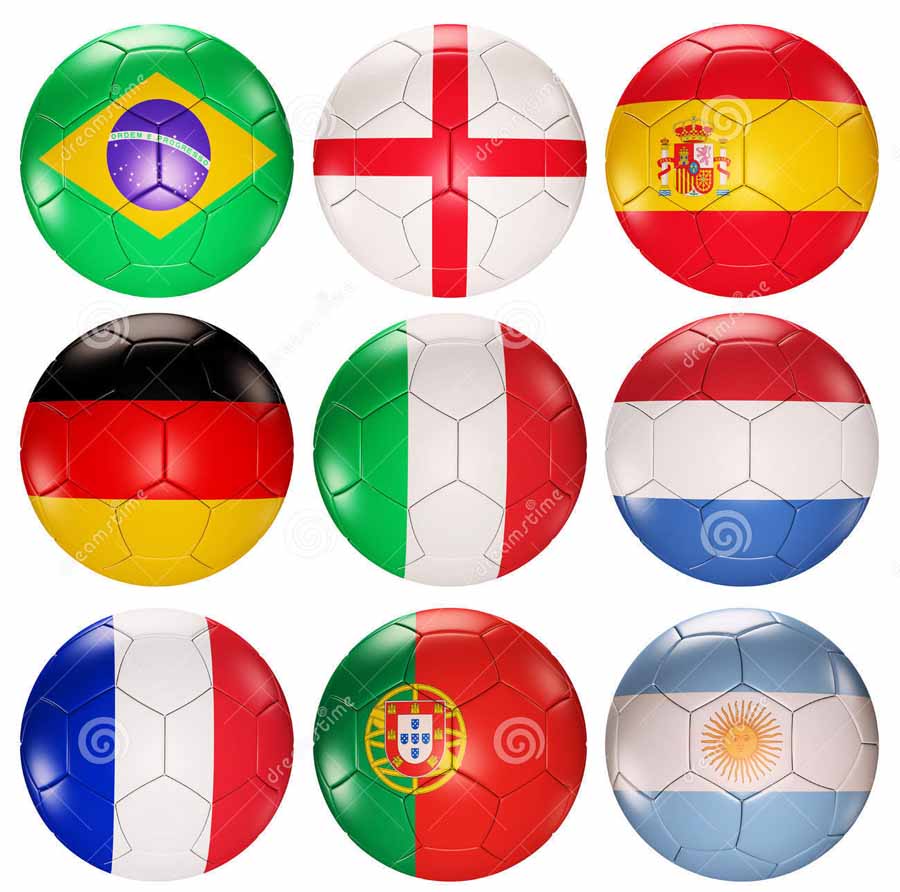
There are several physical games around the globe such as basket ball, cricket, hand ball, base-ball but Foot ball is the most famous sport. This game is played with a ball which is kicked by foot so it is known as foot ball which is played between two teams and each team consists of 11 players. It is widely played game in 200 countries of the world by more than 250 million players belonging to the different countries of the world. It has several names such as Football, Footy/footie, soccer, the beautiful game and also known as the king sport. It was firstly played on 19th December 1863. As we already know it is widely played game all over the world but in this article we are going to give you the list of thetop ten soccer countries in the world which are considered best soccer countries due to their best football teams.
List of Top 10 Football Teams In the World
Rank
Country
1.
Spain
2.
Germany
3.
Colombia
4.
Argentina
5.
Netherlands
6.
Italy
7.
Portugal
8.
Croatia
9.
Brazil
10.
Belgium
Question of the Day :
Which country is the best at soccer and what country started the Soccer in the world?
Answer :
Football is being played in 200 countries but if we look into the history England was the first nation who started Soccer and currently Spain is the best and No.1 country best at soccer than other Football teams of different countries.
More About Spain
Spain is one of the most populous country in the Europe continent and it has the sixth largest country with highest population rate in Europe with 46,958,000 people living in Spain.
Spain has a number of beautiful places which attract the visitors and it is the second largest country which is earning most from tourism in the world.
Spain is well-known for its apricots production in the world. it produces more than 103,400 tonnes of apricots making it the 10th largest producer of apricots in the world.
Tea is one of the trendy and inexpensive beverages around the globe which is not so tricky to made and don’t requires a large amount of time for its preparation. It is used and liked by all the people having different ages. Either a person is rich or poor all the levels and societies are using it according to their requirements.In accordance to a recent survey about the its consumption a report was prepared which reported more than 3 billion cups are daily consumed in the world which shows its popularity all over the world. It has a major part in the global beverage markets due to its highest consumption rate around the diverse countries of the world. There are several countries which are producing tea at uppermost quantity. An enormous variety of tea is produced in Asian countries. Furthermore Africa and North America are also the largest producers.
Global tea consumption rate has increased by 3% which brought its output more than 3.6 million tones till the end of 2006.Here several questions are arising like which country produces the most tea and What is the largest producer, so all these questions can be answered through the following list of top five tea producing countries in the world.
List of Top 5 Biggest Tea producers around the Globe
Rank
Country
Production
(Metric Tonnes)
% of World’s
Entire Output
1.
China
1,640,310
35.13%
2.
India
966,733
20.70%
3.
Kenya
377,912
8.09%
4.
Sri Lanka
327,500
7.01%
5.
Turkey
221,600
4.74%
Question of the day
Q : Which is the largest producer of Tea in the world?
Ans : At present China is the country which is the largest producer of Tea in the world. Its annual output is more than 1,640,310 metric tonnes making it the top listed country for annual tea production.
China has the largest army in the world which is called People’s Liberation Army.
China has the largest number of mobile phones in the world. And it is the country having most mobile phones in the world than all other countries around the globe.